Planning a new inland grain terminal? Here is how we approach the design.
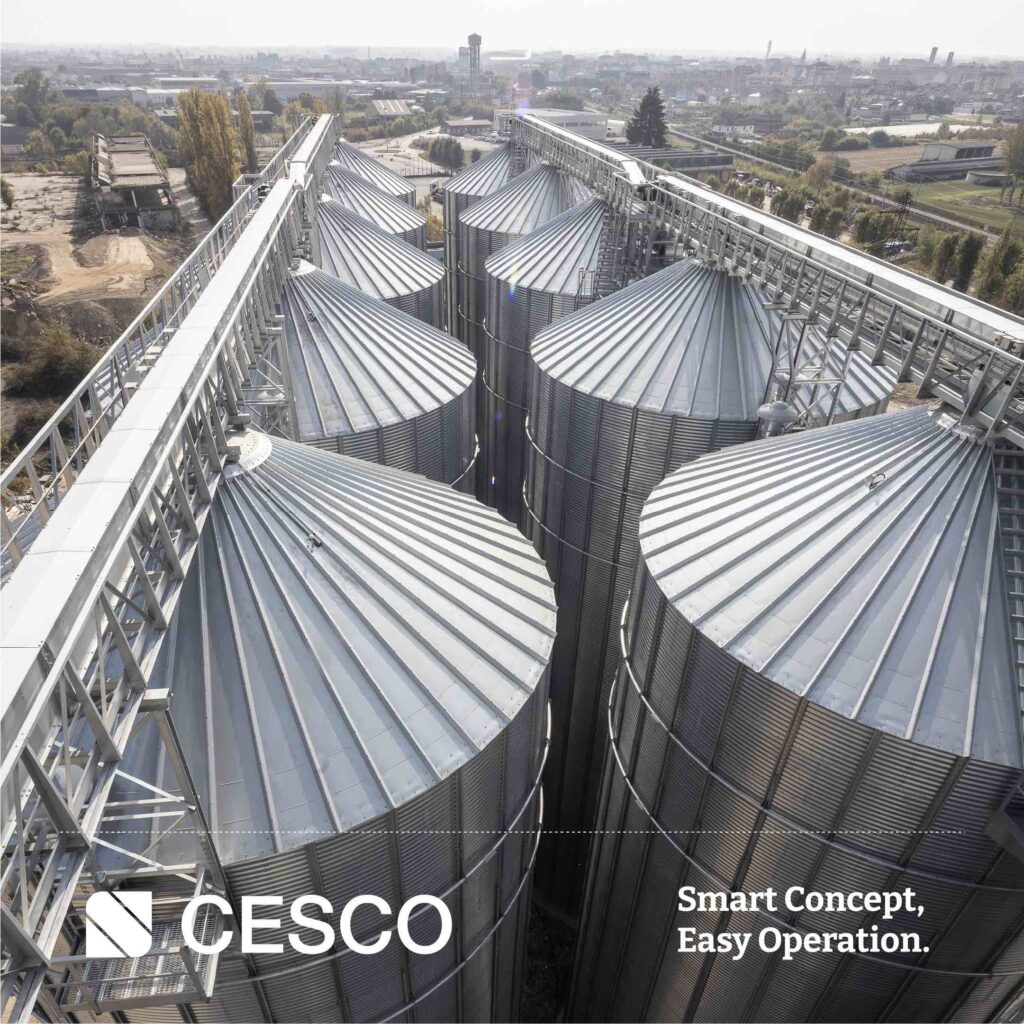
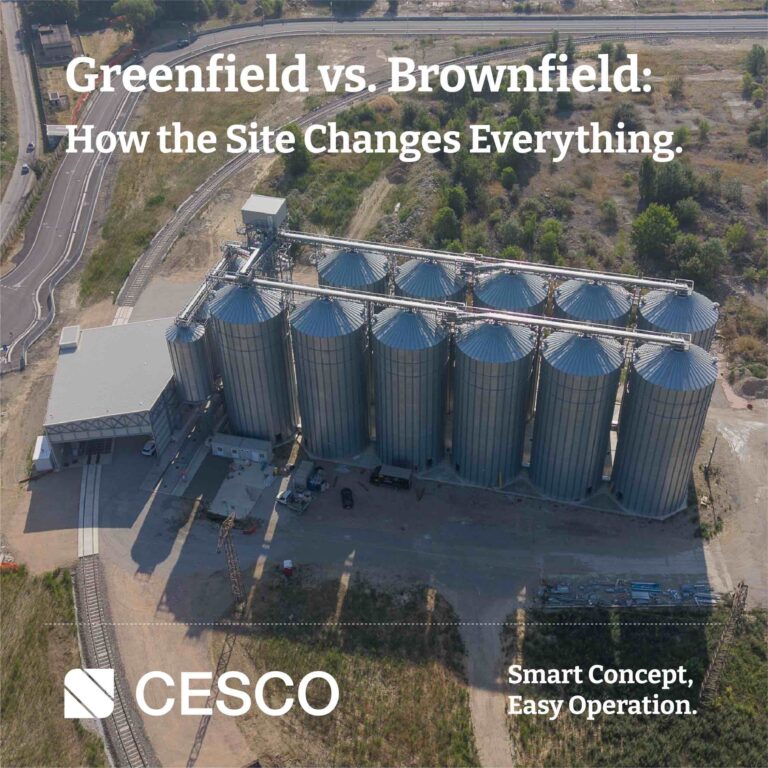
When we start a new inland grain terminal project, the first step is always the site layout. We need to figure out where to position the silos and how to organize the receiving and shipping areas. The goal is smooth traffic flow. We look at the expected number of vehicles moving through the site each day to prevent bottlenecks before they happen.
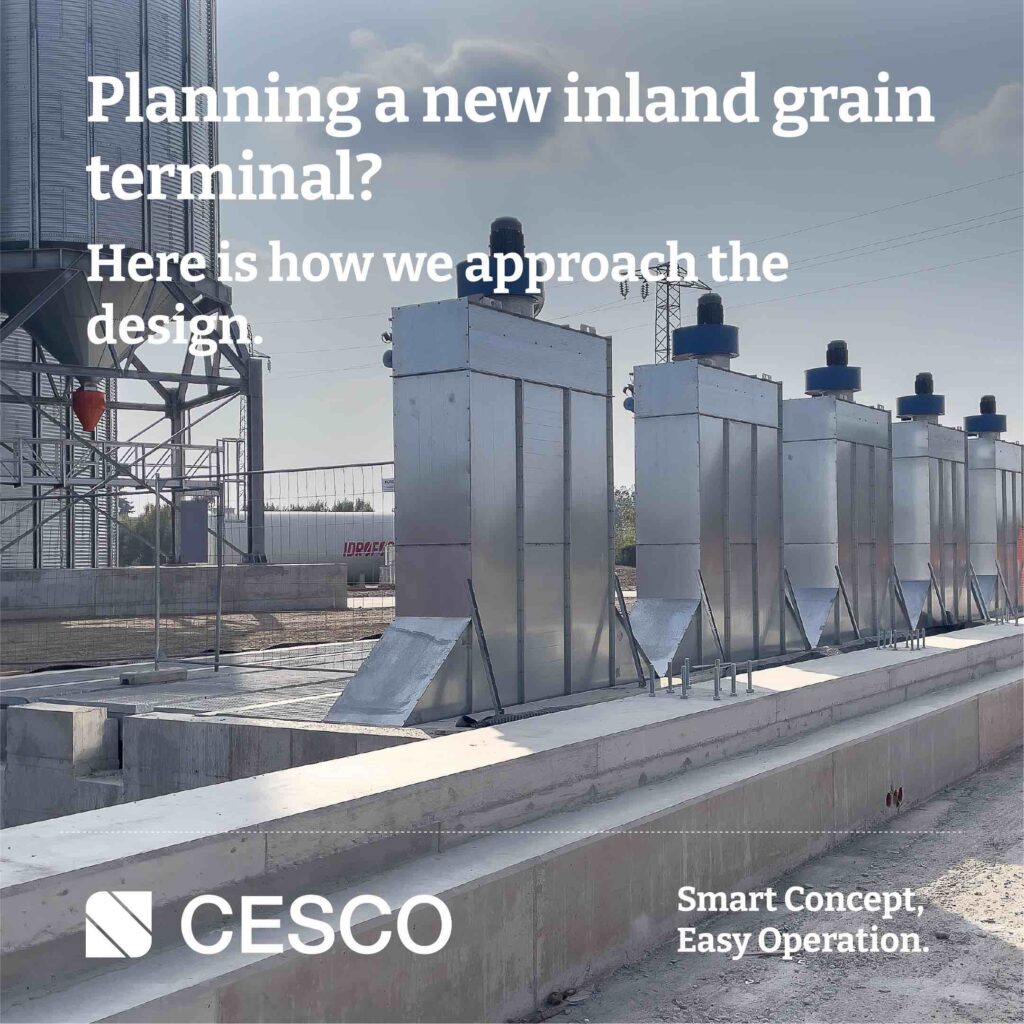
Once the layout is set, we design the intake. We set up intake pits either for trucks or railway wagons to give you flexibility. Depending on your needs, we can cover these pits and add aspiration systems to control dust. We suggest including a magnetic separator to put it right before the first elevator to catch any metal. This stops mechanical damage and lowers the risk of explosions.
Next, we look at industrial cleaning. We do not use a one-size-fits-all setup. Based on what you need, we can install drum cleaners and screeners to take out stones, dust, and foreign materials. This keeps your stored product safe and protects the rest of the equipment.
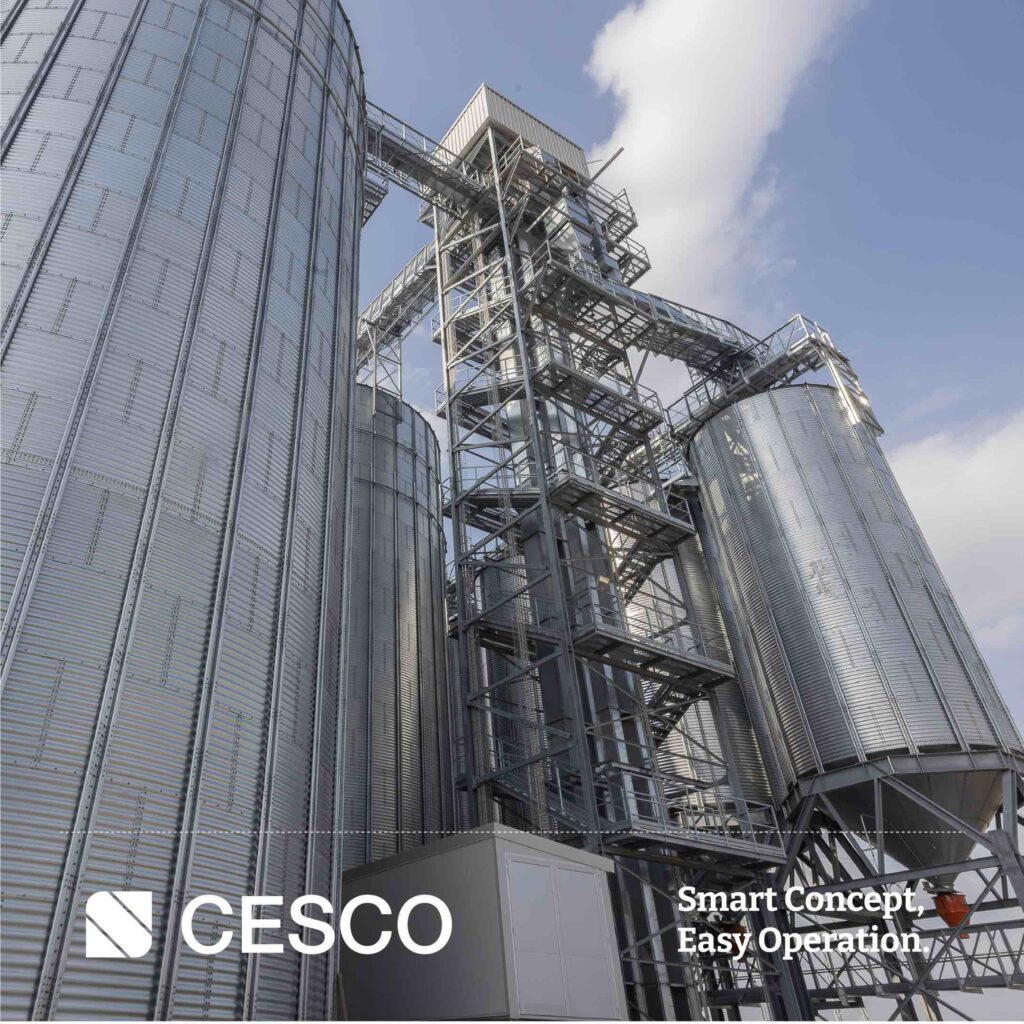
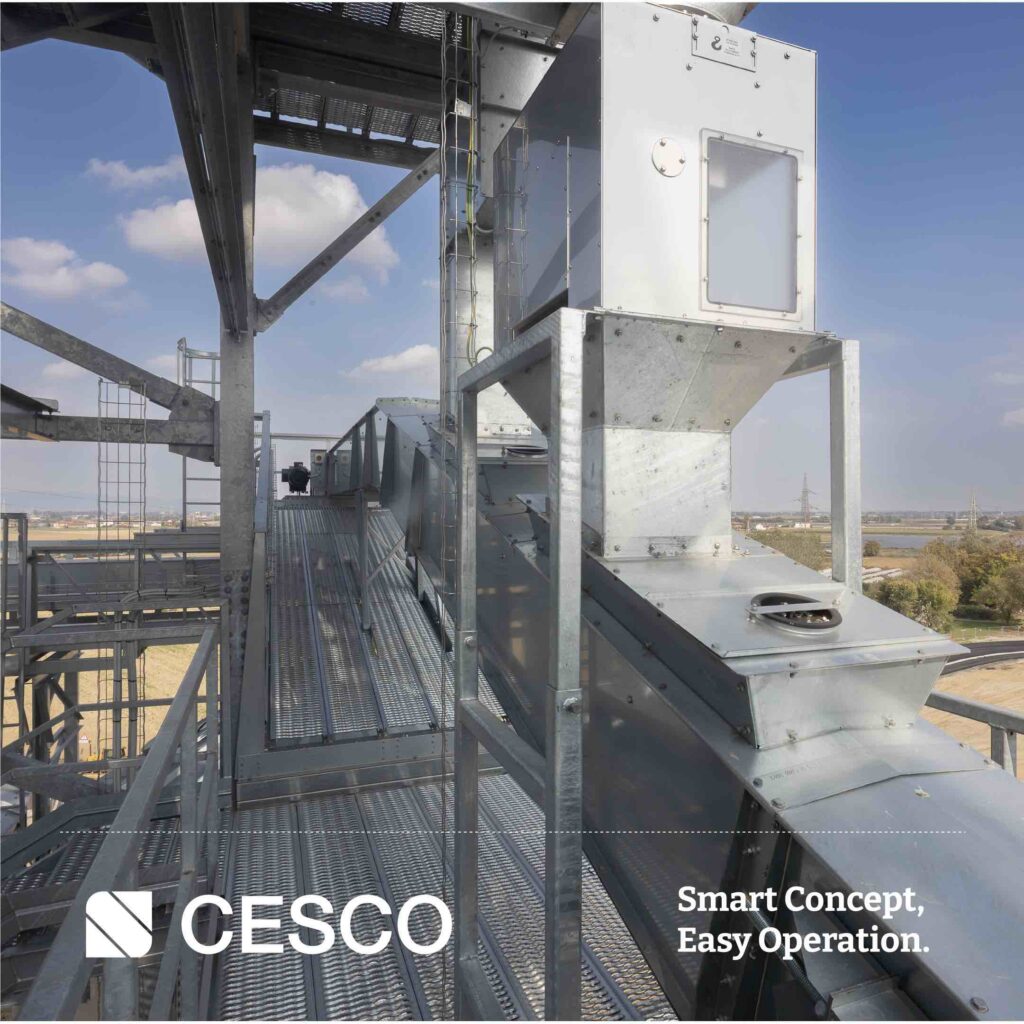
To move the grain, we map out the conveyor systems. We use heavy-duty chain conveyors and bucket elevators for horizontal and vertical transport. We calculate the capacity you need and design the steel structures, like machinery towers and catwalks, to support the equipment and make maintenance easy.
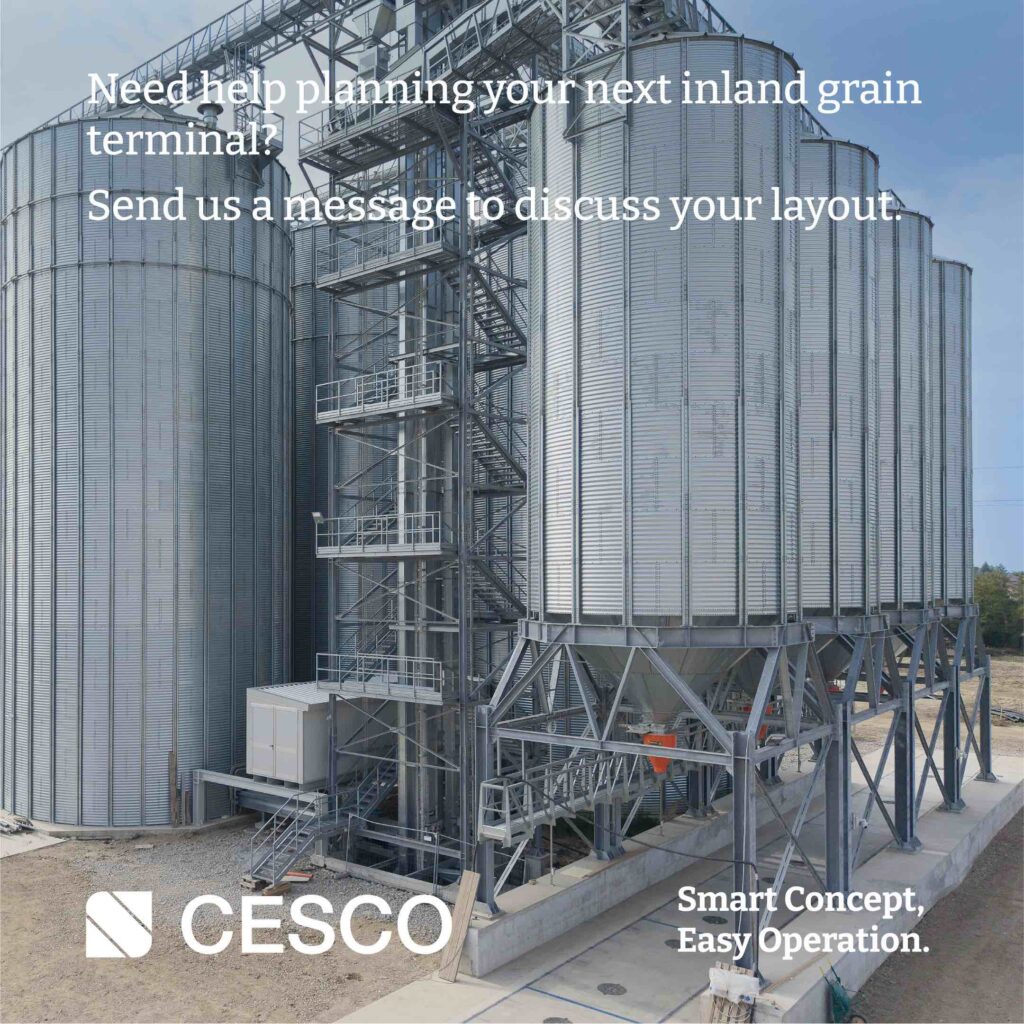
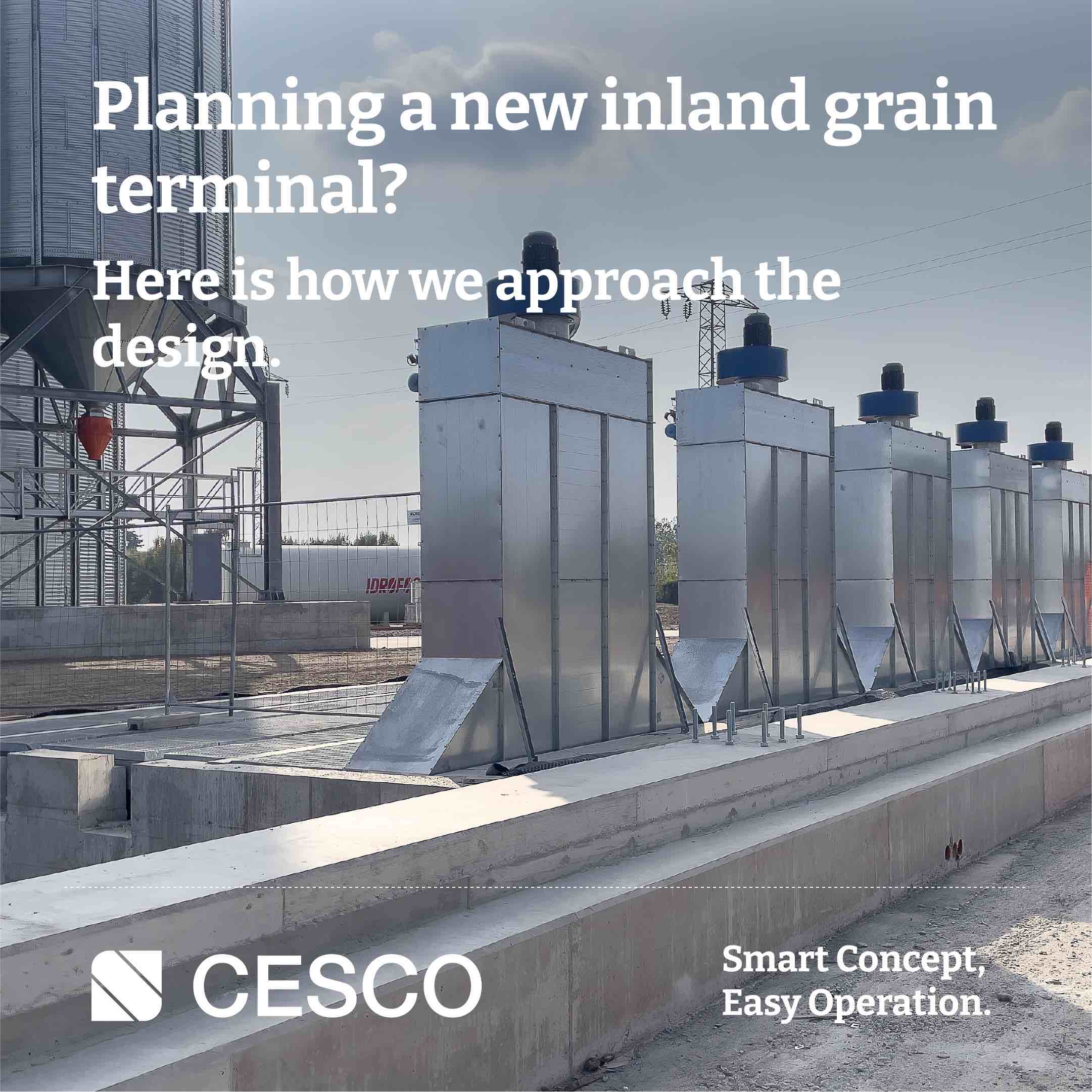
For storage, we often use flat-bottom silos. They are a solid choice for getting high capacity out of a small footprint, though we adapt the exact setup to your specific project. We also look at dust control. While not strictly required everywhere, we often add centralized aspiration or spot filters to cut down on emissions and keep the site safe.
Finally, we plan the outloading. We set up loading stations with hopper bottoms, which, if required, can also be positioned directly above the weighbridges, allowing trucks and trains to be loaded quickly and get back on the road.
Every terminal is different. We build flexible solutions that fit your site.
Need help planning your next inland grain terminal?
Send us a message here