West Africa’s Milling Sector Is Growing. Here Is What That Requires.
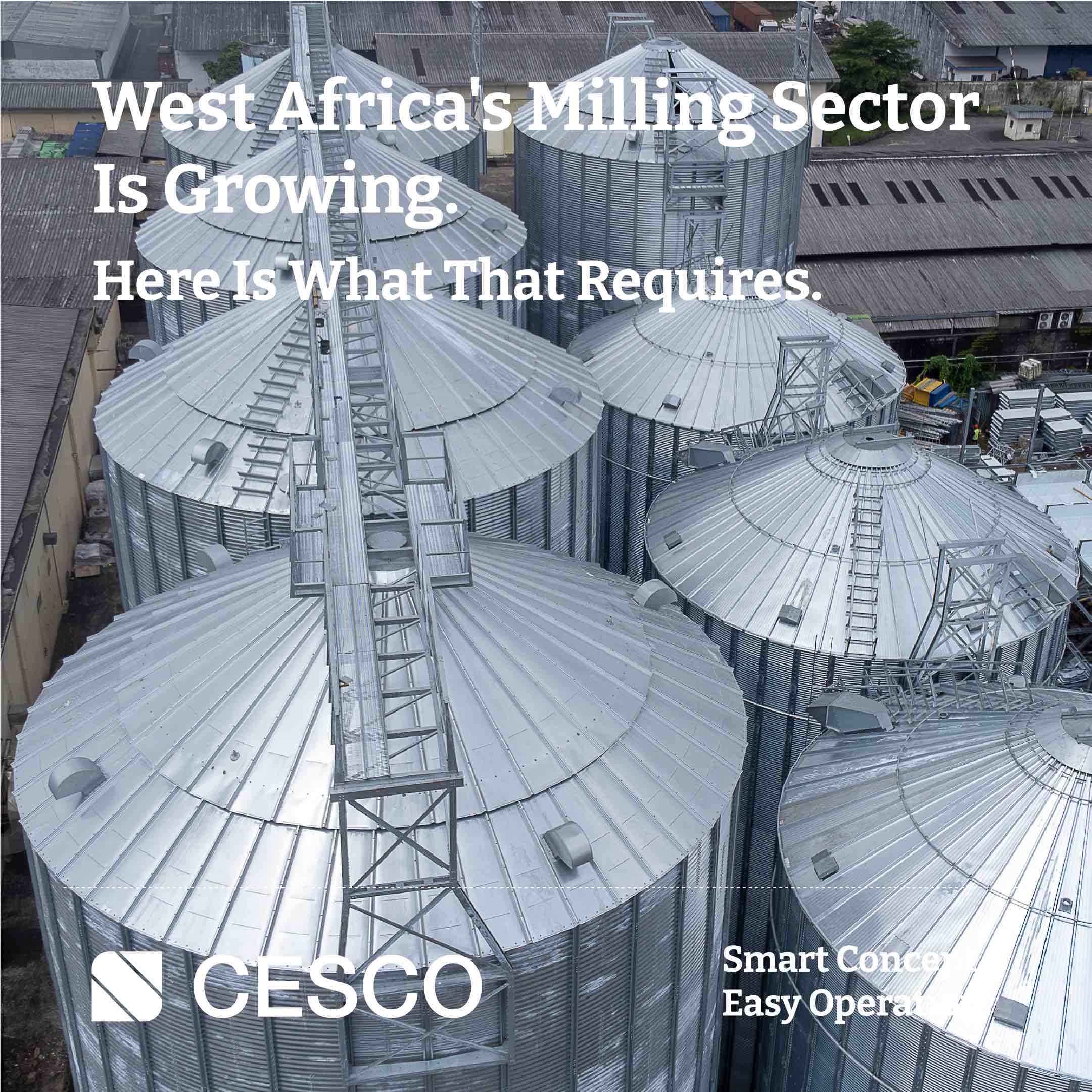
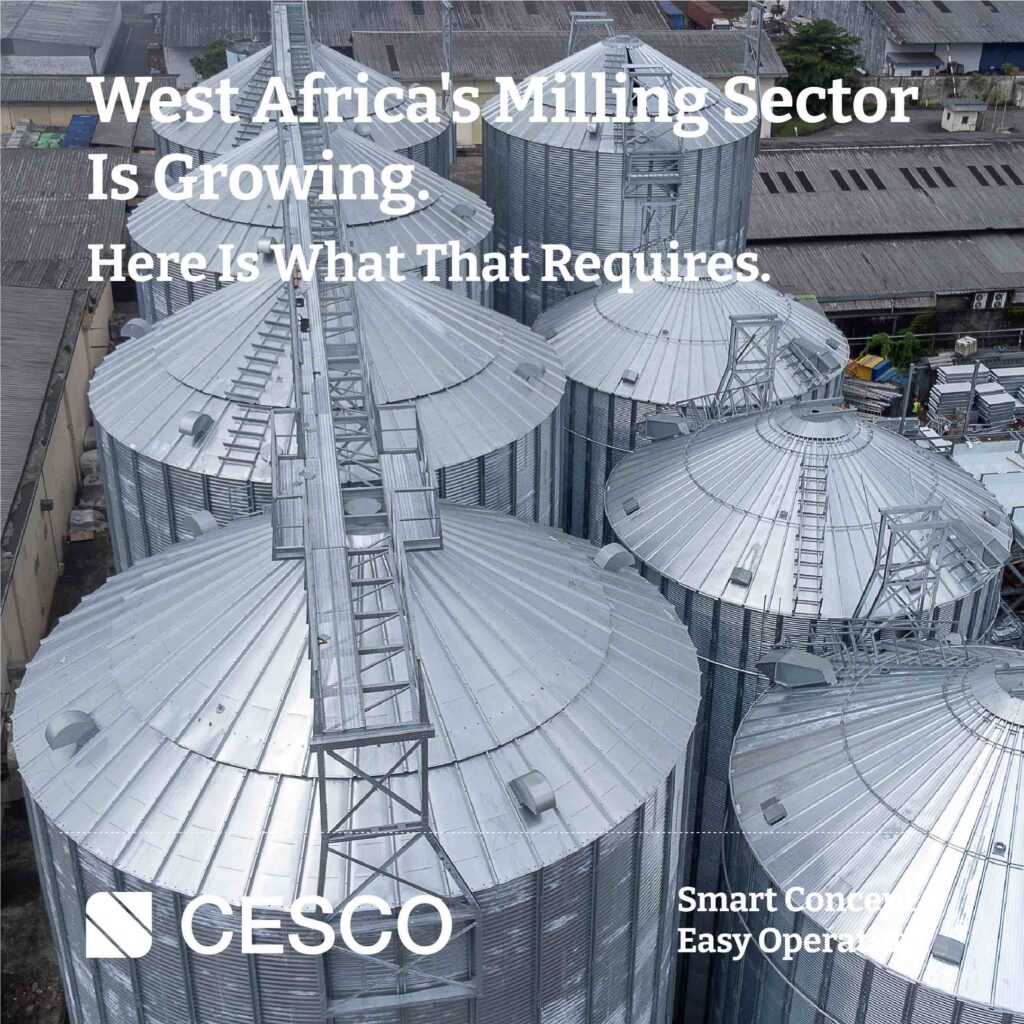
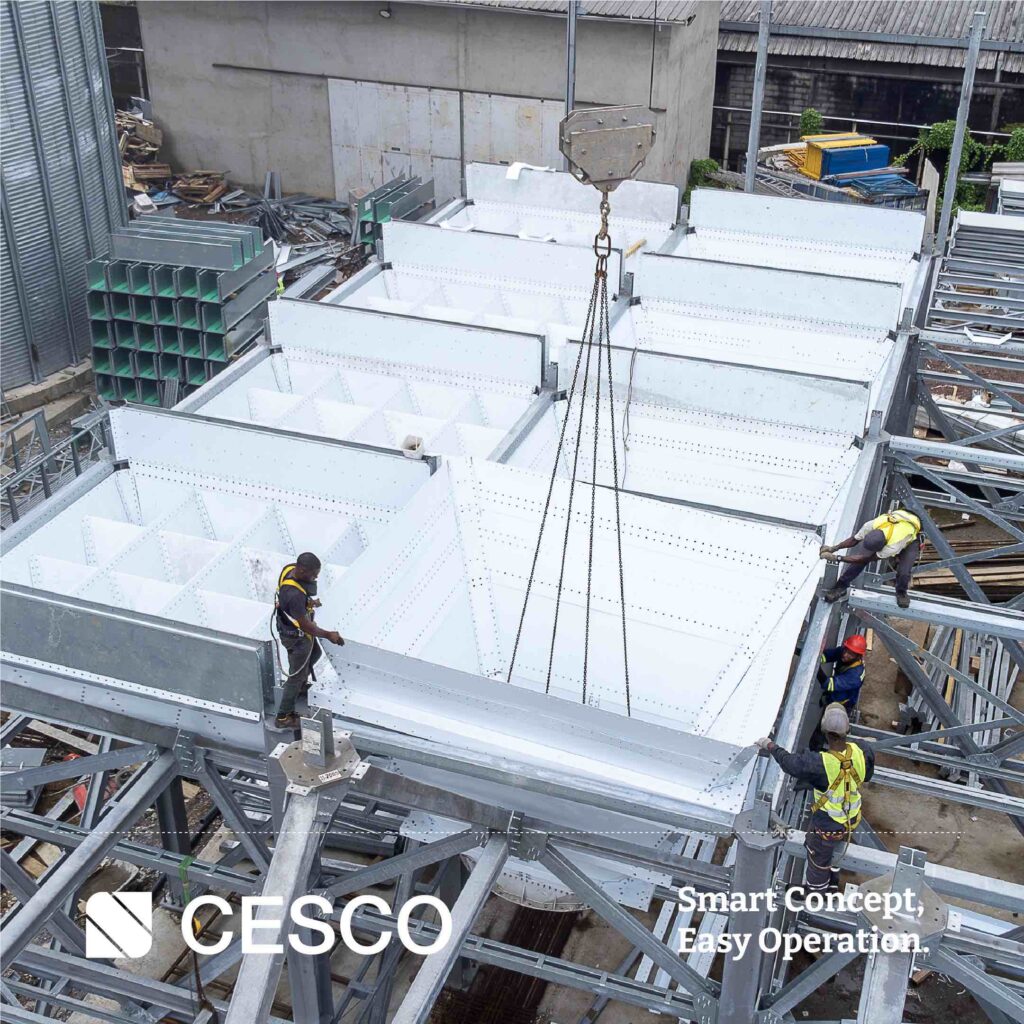
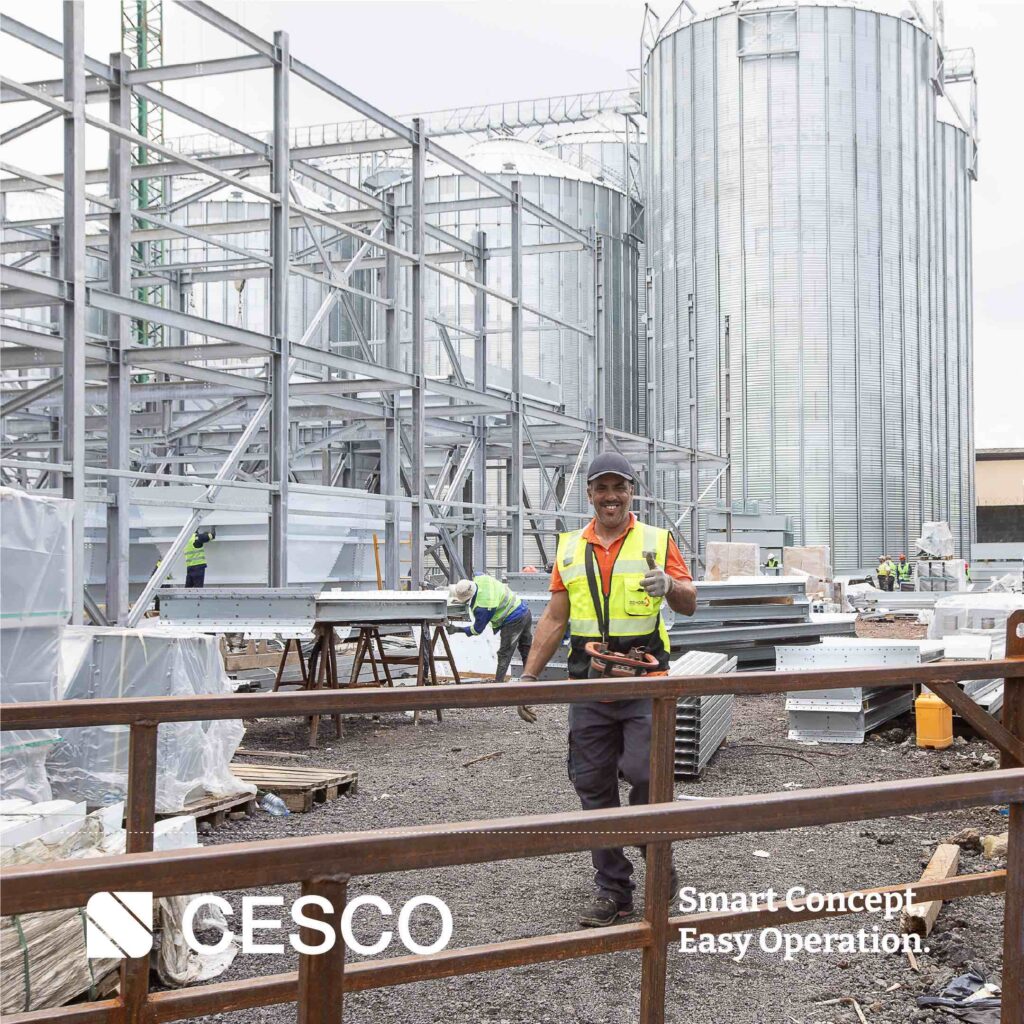
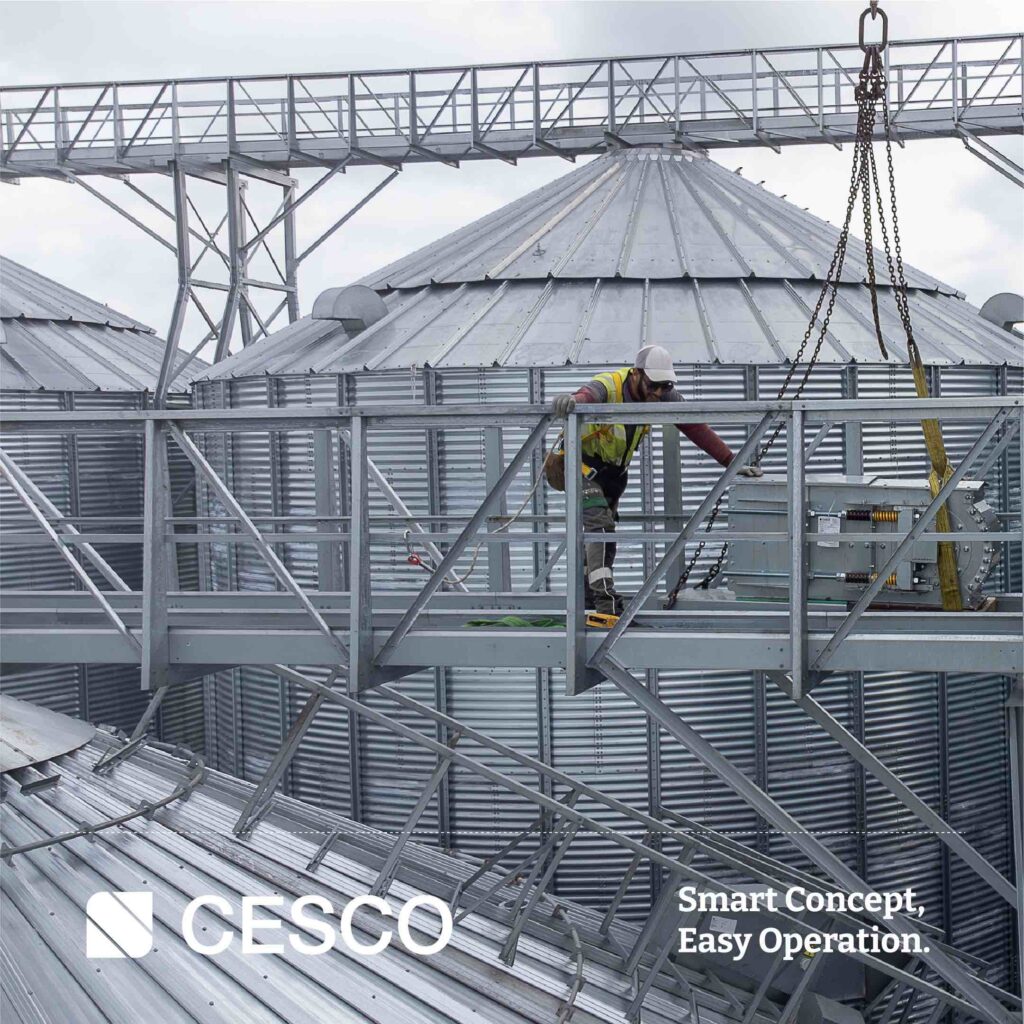
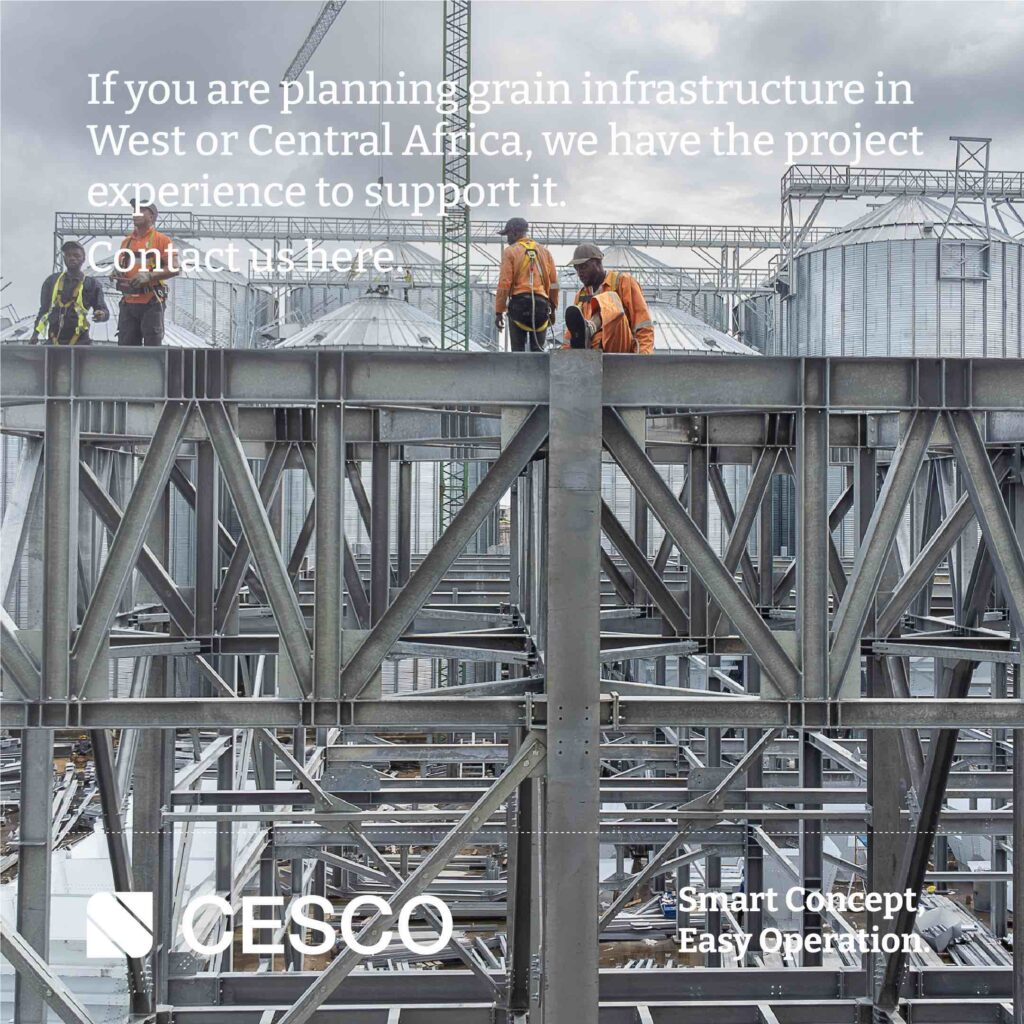
The Douala facility was delivered a few years ago. Built in Cameroun, the plant processes durum wheat and soft wheat into flour, semolina, and gluten; with 20.000 tonnes of flat-bottom steel silo storage and a conveying system rated at 250 t/h. Chain conveyors, belt bucket elevators, a full mill building, steel structures, and integrated automation: designed, supplied, and commissioned by CESCO EPC as a complete turnkey project.
It is one data point. But it reflects a structural shift across the region.
West and Central Africa import significant volumes of wheat. Domestic milling capacity, the infrastructure that converts raw grain into flour for local food markets, has historically lagged behind import growth. That gap is closing, and it is closing through investment in processing plants, not just storage.
The requirements are demanding. Sites operate in climates that accelerate corrosion and complicate maintenance schedules. Local logistics infrastructure adds complexity to procurement and erection. Equipment must be designed not just for rated capacity, but for sustained performance over decades with limited access to specialist maintenance.
This is where engineering decisions made at the design stage determine whether a plant operates as specified or underperforms from day one. Conveying capacity, silo geometry, aspiration systems, and access platforms; each choice has consequences that compound over the operational life of the facility.
CESCO EPC delivers complete grain processing and storage infrastructure across Africa. From conceptual engineering through to commissioning, under a single point of responsibility.
If you are planning grain infrastructure in West or Central Africa, we have the project experience to support it. Contact us here