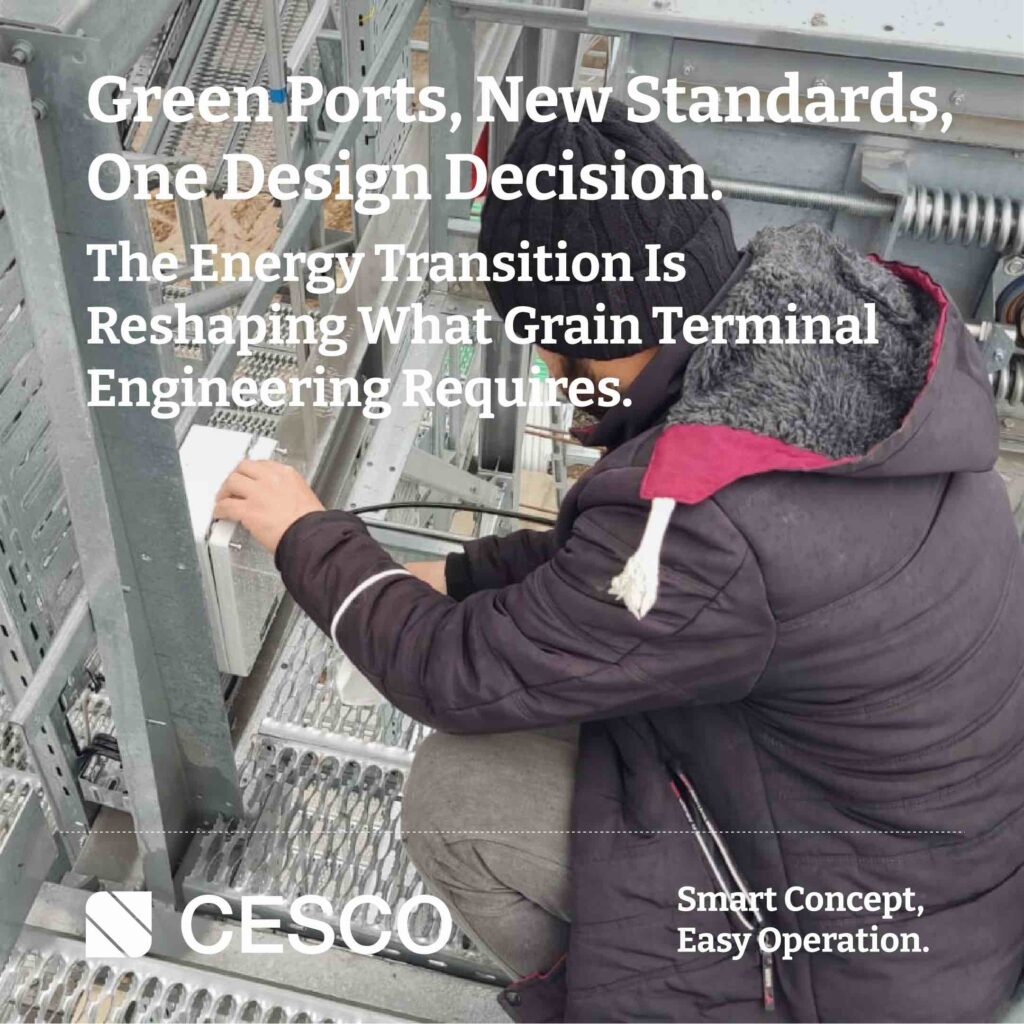
Green Ports, New Standards, One Design Decision The Energy Transition Is Reshaping What Grain Terminal Engineering Requires
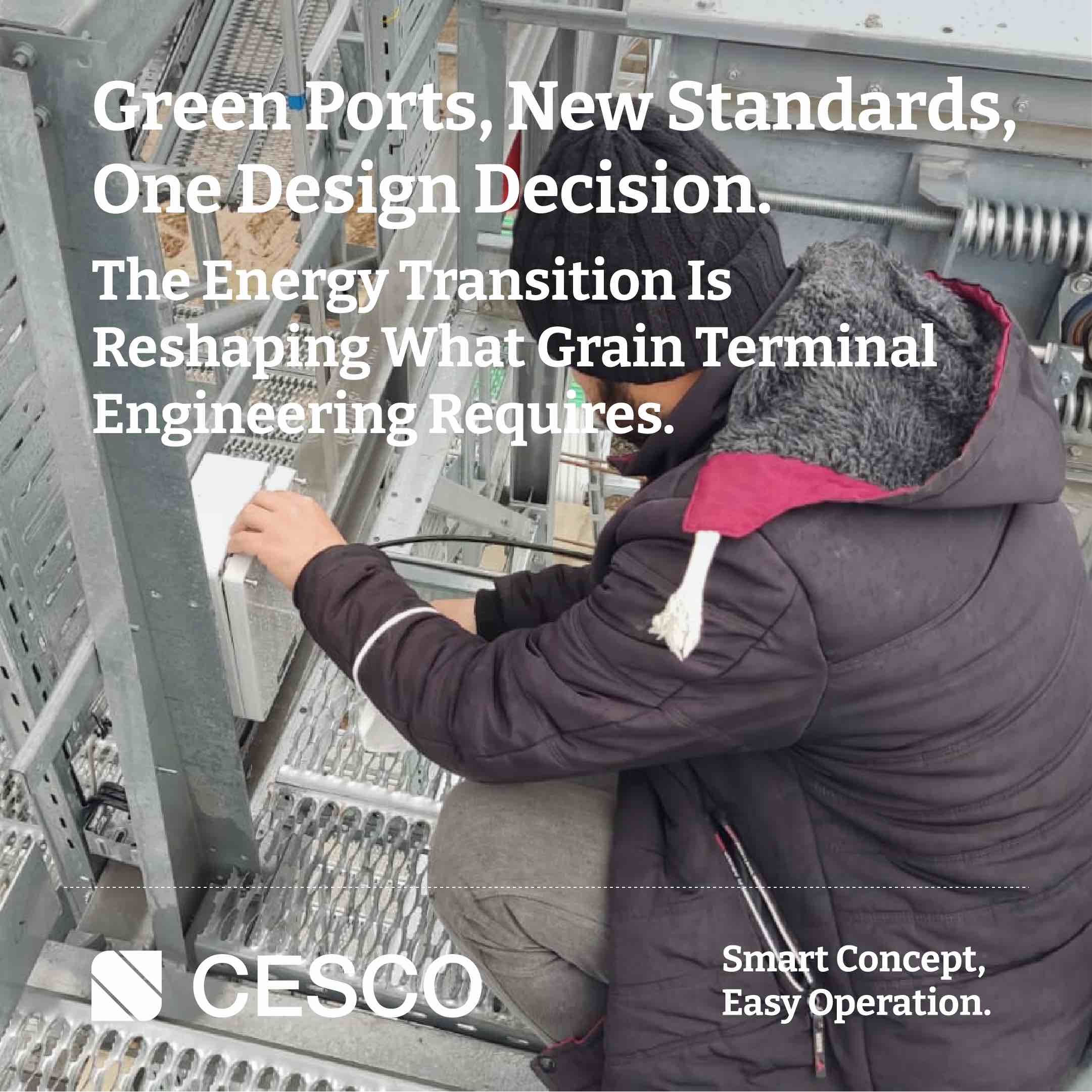
The port environment is changing. Grain terminals must be designed for the conditions of tomorrow, not the regulatory standards of a decade ago. Green port frameworks, IMO decarbonisation targets, and national electrification programmes are already reshaping what port authorities require from terminal operators. The shift is structural. And it is accelerating.
A grain terminal designed today for a 30-year operational life will reach mid-lifecycle under conditions that did not exist when the last generation of terminals was built. Ports that accepted diesel-driven conveying equipment are moving toward electrification mandates. Shore power requirements are becoming standard in concession agreements. Carbon reporting obligations are entering baseline regulatory frameworks across major port jurisdictions.
These are not future considerations. They are present design inputs.
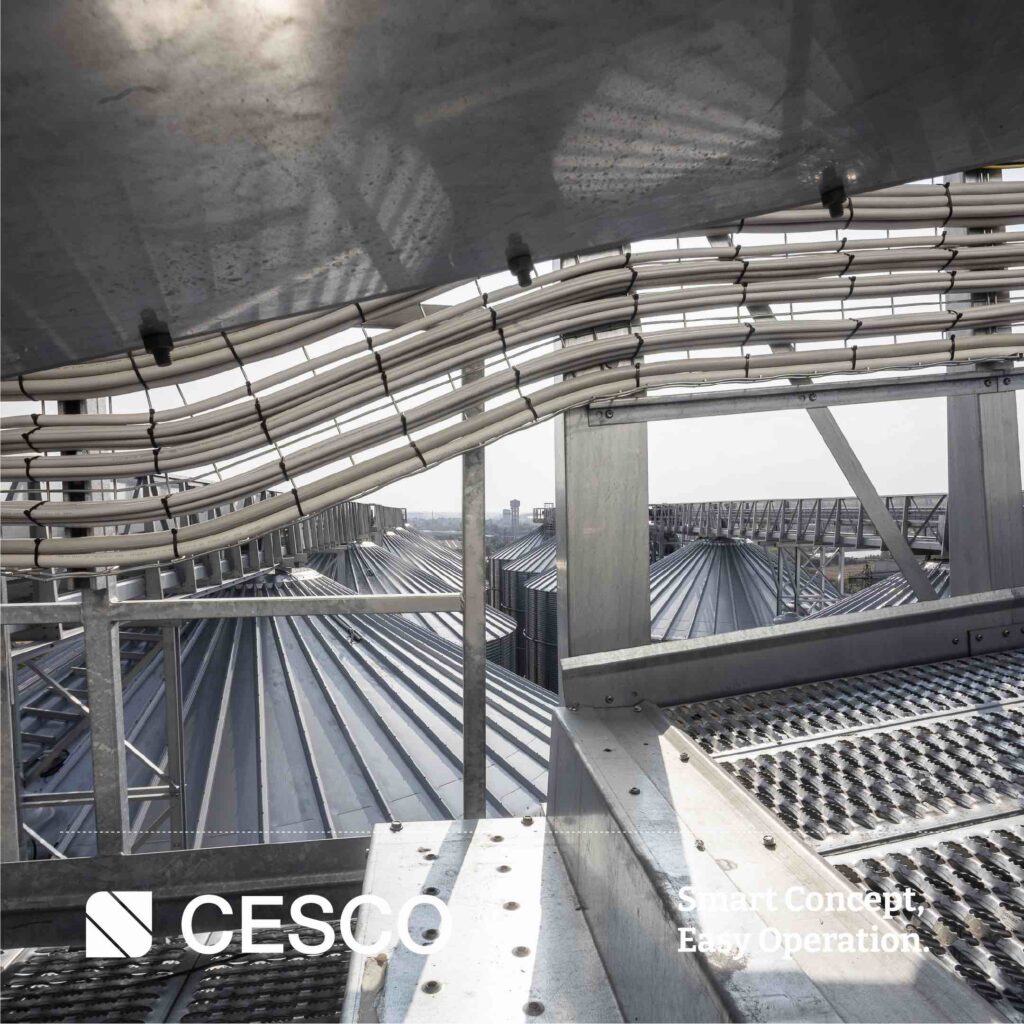
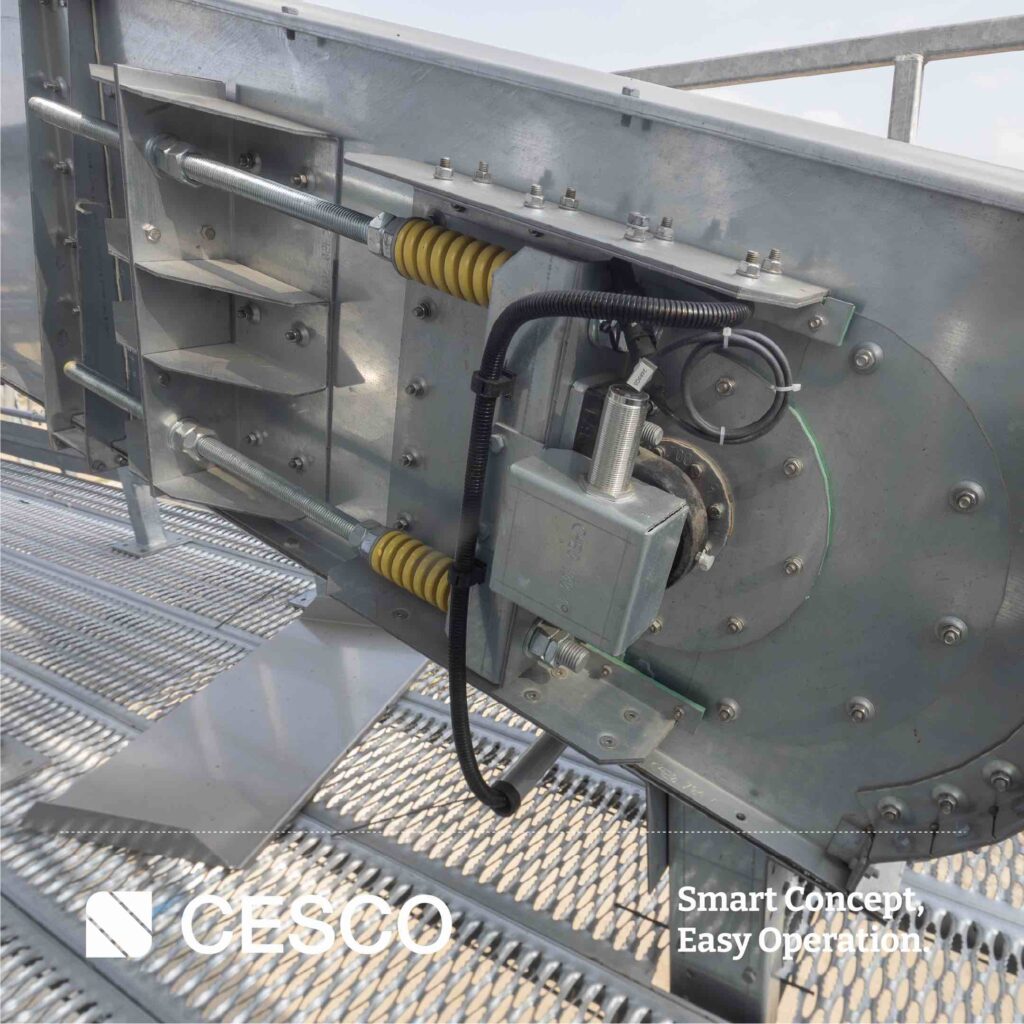
At CESCO EPC, energy efficiency is an engineering requirement. IE3 motor standards on all conveying equipment reduce operational energy consumption without throughput compromise. Electrical infrastructure is dimensioned for future extension. Equipment configurations are reviewed against the port authority’s published sustainability roadmap before structural design is finalised.
The decision to design for long-term regulatory compliance is made once. Its consequences last as long as the terminal operates.
Grain infrastructure cannot be easily retrofitted. A terminal built to the minimum current standard will require costly intervention as requirements tighten.
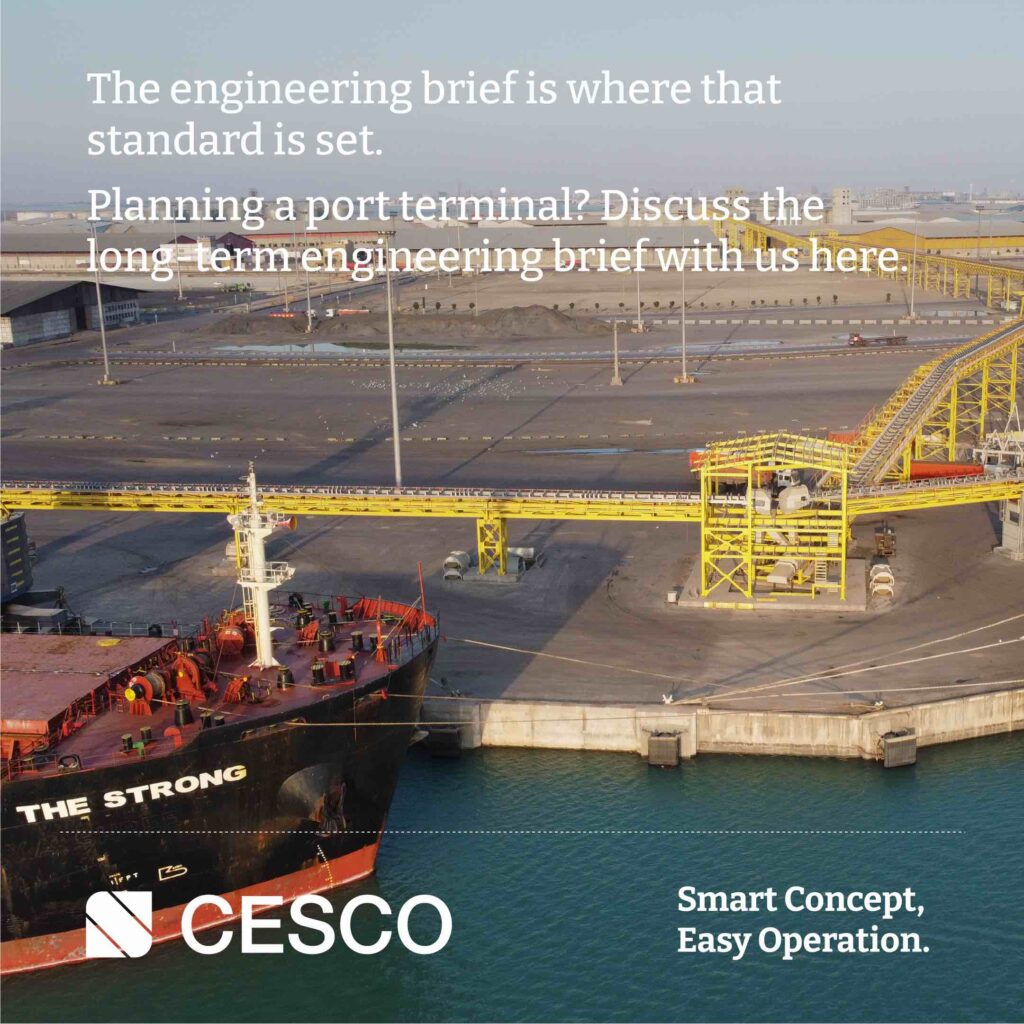
The engineering brief is where that standard is set.
Planning a port terminal? Discuss the long-term engineering brief with us here