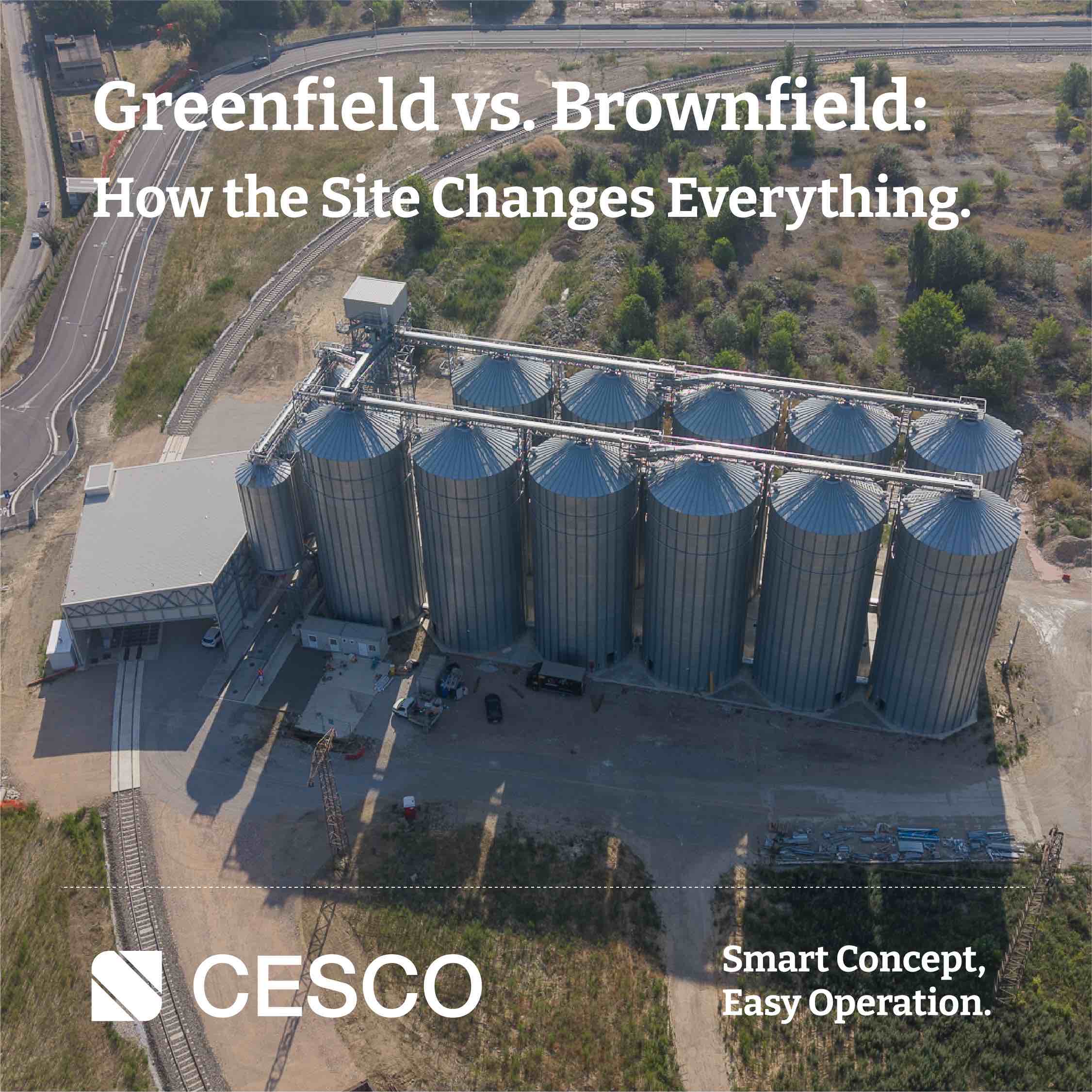
Greenfield vs. Brownfield: How the Site Changes Everything
Two projects. Same client brief: increase storage capacity, upgrade intake, keep the plant running.
One on open land. One inside an operating facility. The engineering approach, cost structure, and delivery timeline end up almost nothing alike.
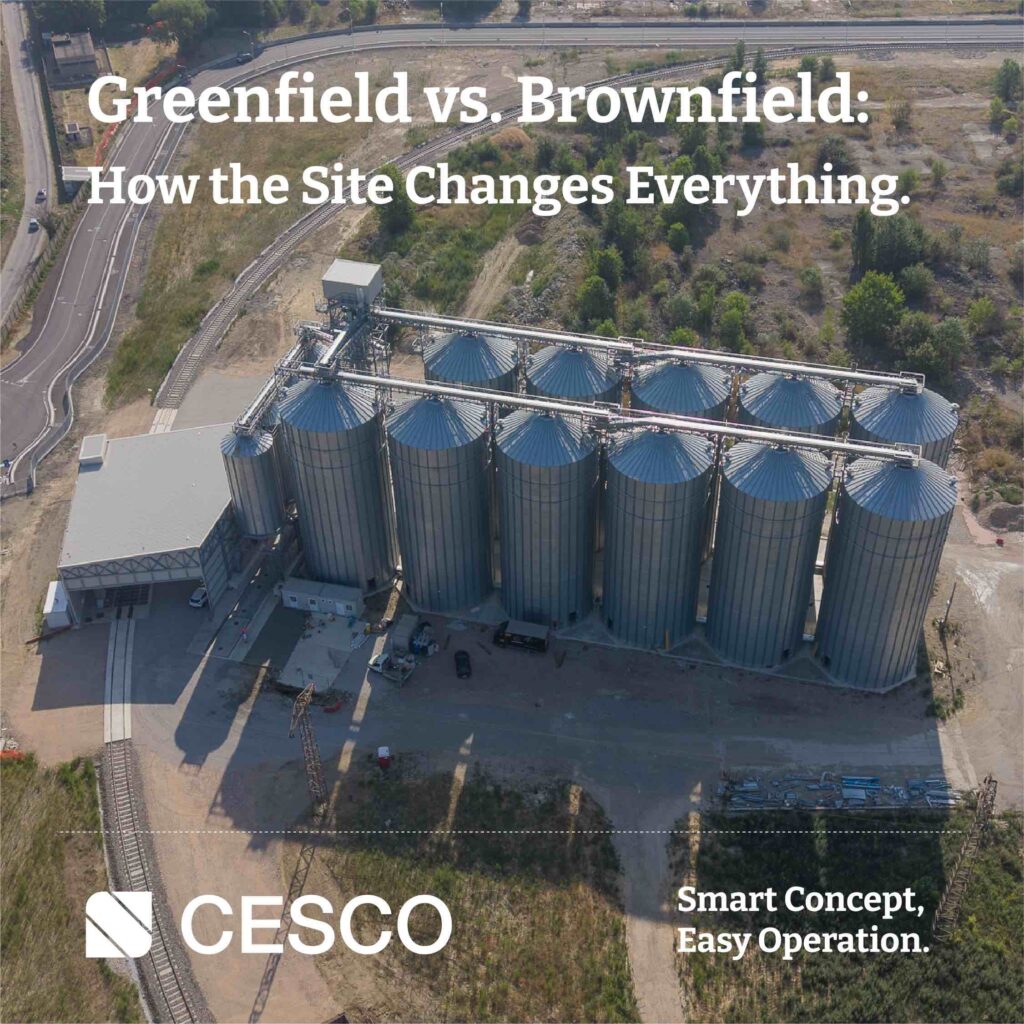
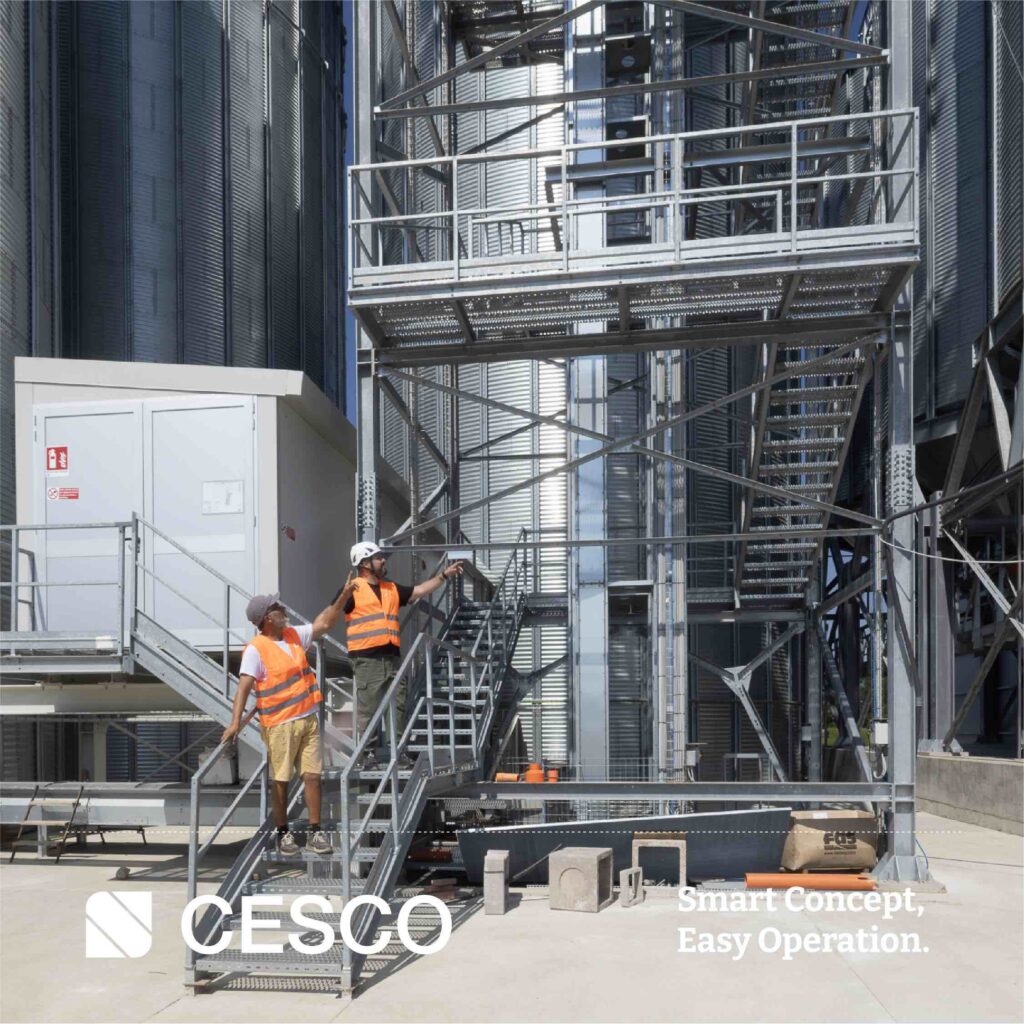
Greenfield gives you a clean slate. Foundations, layout, and conveying routes are designed without working around anything already standing. Sequencing is driven mainly by construction logistics: site access, concrete curing times, steel erection windows. The main constraint is time, not space.
Brownfield changes the entire equation. Every new silo, conveyor, or steel structure has to be positioned around existing buildings, active production lines, and intake schedules the client cannot pause for months. Structural engineering has to account for what is already there: foundations to tie into, clearances to respect, load paths that cannot interfere with equipment still running underneath or beside them.
This shows up directly in three places:
✔️ Design: brownfield requires a detailed as-built survey before any calculation starts. Greenfield engineering can begin from the site plan alone.
✔️ Cost: brownfield often carries higher contingency, driven by unknowns in existing structures and the coordination needed to keep operations running during construction.
✔️ Timeline: greenfield sequencing is largely continuous. Brownfield sequencing is broken into phases that fit around the client’s production calendar, sometimes limited to shutdown windows.
Neither approach is harder in the abstract. They are different disciplines that happen to use the same conveyors and the same silo types.
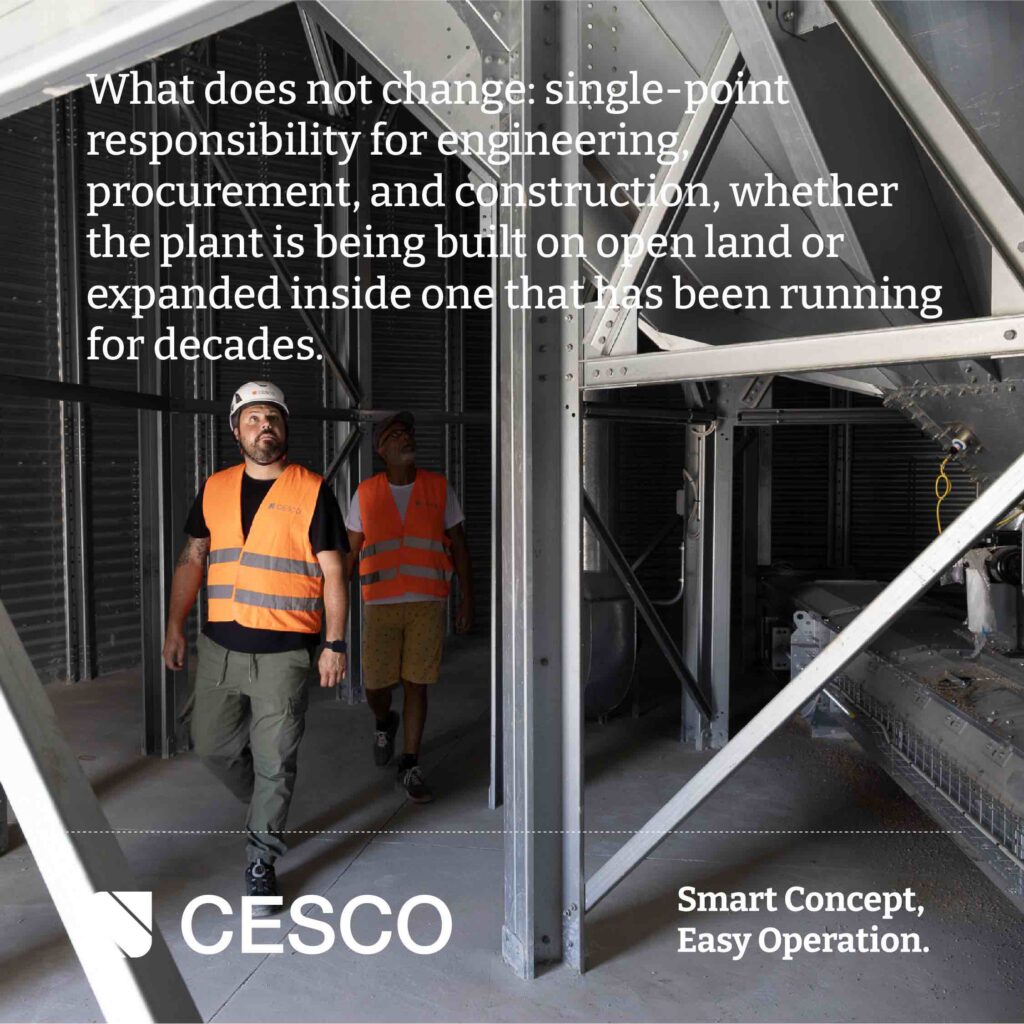
What does not change: single-point responsibility for engineering, procurement, and construction, whether the plant is being built on open land or expanded inside one that has been running for decades.
Planning a plant, either from scratch or inside a live facility? Get in touch here