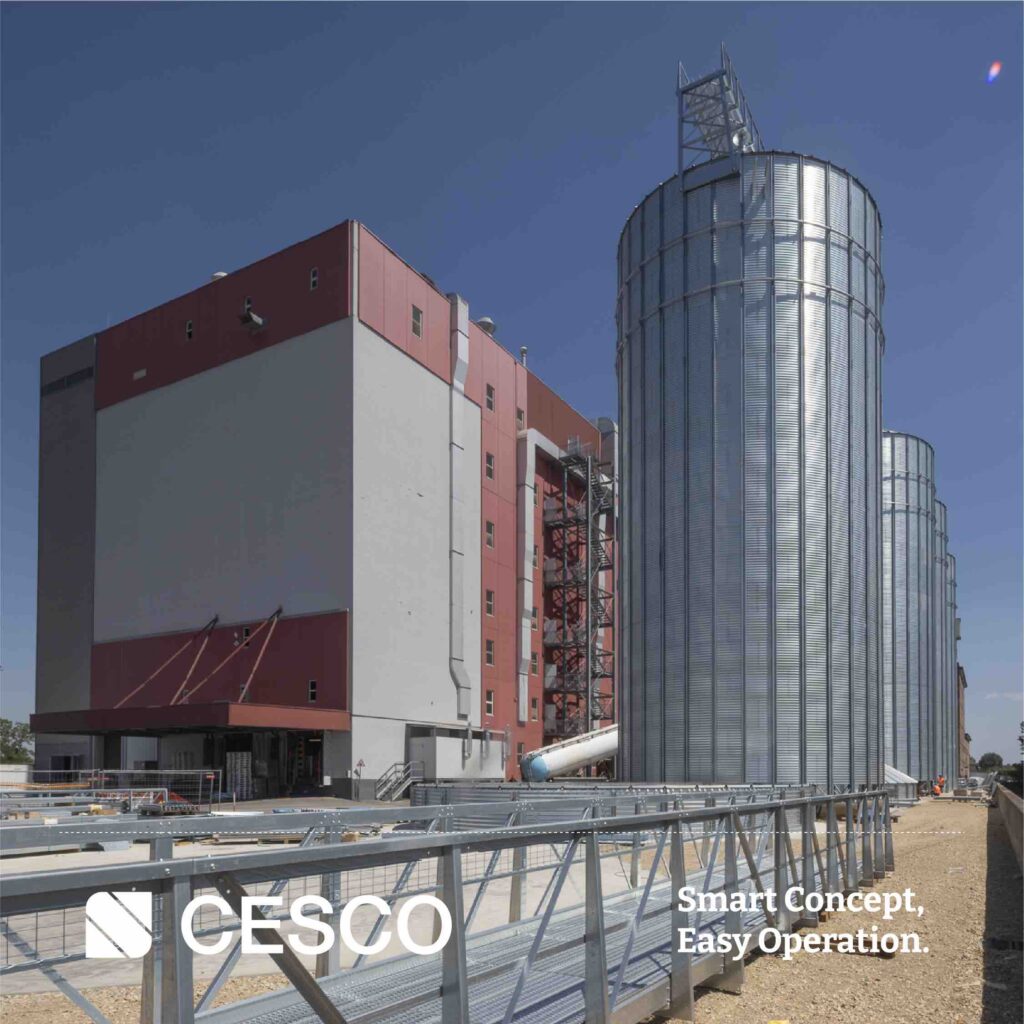
When the harvest shrinks, every tonne matters more. COCERAL’s emergency forecast shows why.

286.6 million tonnes.
That’s what the EU and UK will harvest this year, 23.4 million tonnes less than in 2025.
COCERAL’s extraordinary forecast, issued after the summer heatwave, cuts EU and UK wheat production to 140.8 million tonnes and corn to 52.7 million tonnes. France’s corn crop is expected to hit its lowest level in more than 20 years.
The headline number is the shortfall. The real story is what happens to the grain that does get harvested.
When yields drop, harvest windows don’t get longer; they get shorter and more compressed. Reception lines, drying capacity, and storage conditioning have to absorb the same peak volumes in less time, with less margin for error. A tonne lost to slow reception or poor drying in a short harvest is a tonne no forecast brings back.
Europe has been here before. The 2003 heatwave cut yields sharply across the continent and pushed the storage and handling sector toward faster intake, better aeration, and tighter moisture control — not because field-level production could be fixed overnight, but because what happened after harvest could.
Volatility is the pattern now, not the exception. Grain infrastructure built for average years struggles in years like this one.
If you operate grain reception or storage in central Europe: check whether your intake and drying capacity match this year’s compressed harvest window, before the trucks arrive, not after.
CESCO EPC designs and delivers grain handling and storage plants for exactly this kind of pressure: in-house engineering, single point of responsibility, from conceptual design to commissioning.