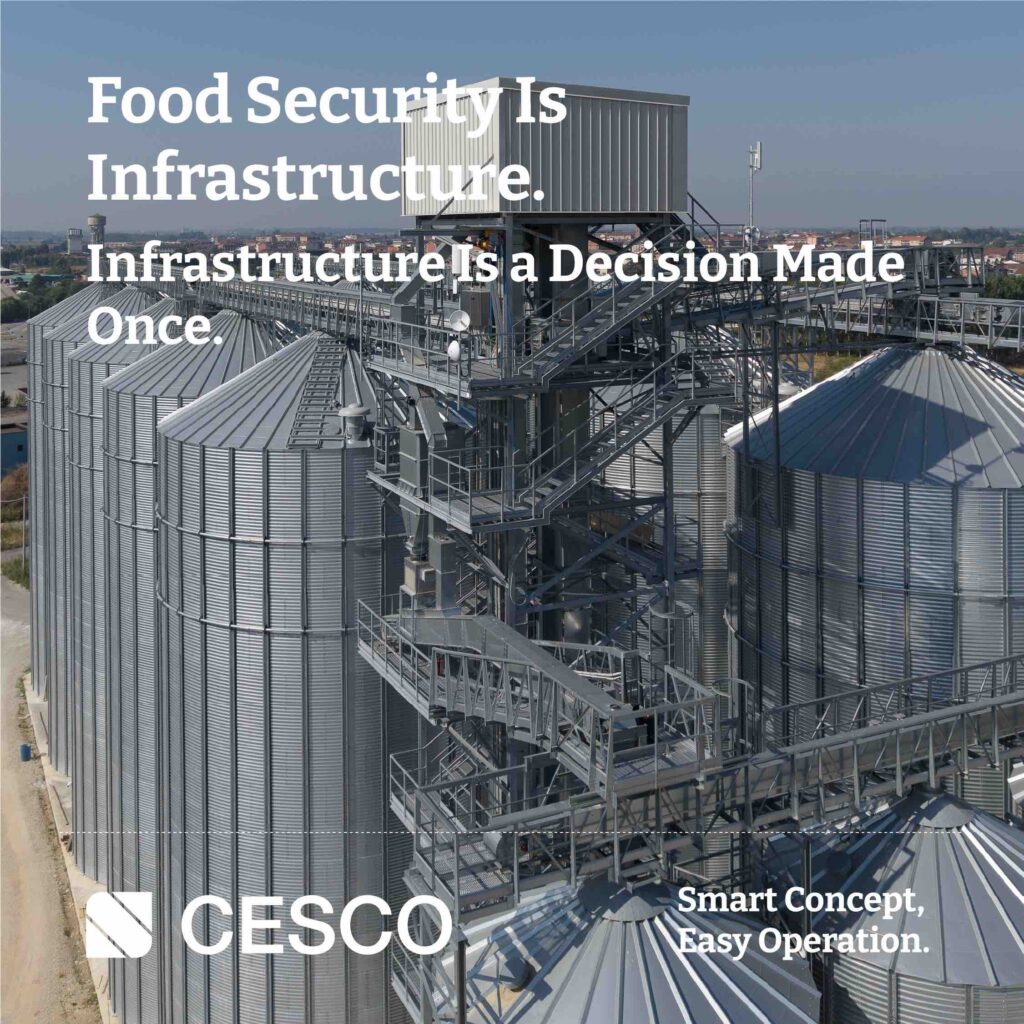
Food Security Is Infrastructure. Infrastructure Is a Decision Made Once.
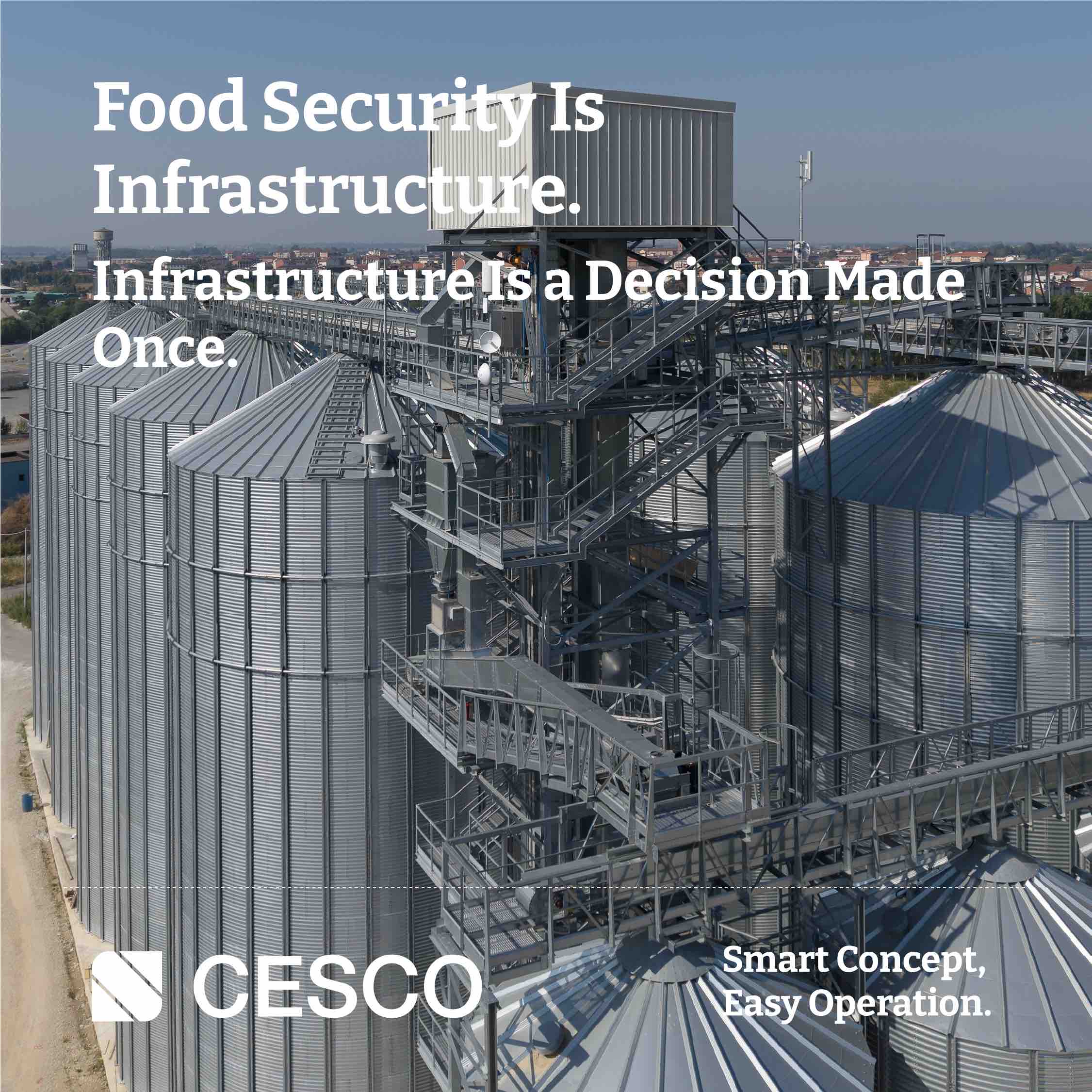
Governments investing in grain storage are buying resilience.
The ability to absorb a bad harvest. A disrupted shipping route. A geopolitical shock. Without those turning into a food crisis.
This is not a new idea, but it is one that keeps getting treated as optional, as a line item that competes with roads, ports, or energy in a national budget, rather than as the layer that determines whether those other systems keep functioning when conditions turn against them.
Grain storage infrastructure does three things at once:
1️⃣ It decouples domestic food supply from the timing of harvests and imports, giving governments room to manage a bad season without immediate market panic.
2️⃣ It stabilizes prices by allowing controlled release of stock, instead of forcing all grain through the market at once.
3️⃣ It protects the continuity of food supply during exactly the events that are hardest to plan for: conflict, extreme weather, trade disruption.
None of this depends on the storage capacity being large. It depends on the decision being made before the shock arrives.
That is what makes grain infrastructure different from most public investment. A silo built today does not solve a today problem. It solves a problem that has not happened yet, for a government that will not know in advance which one it will be.
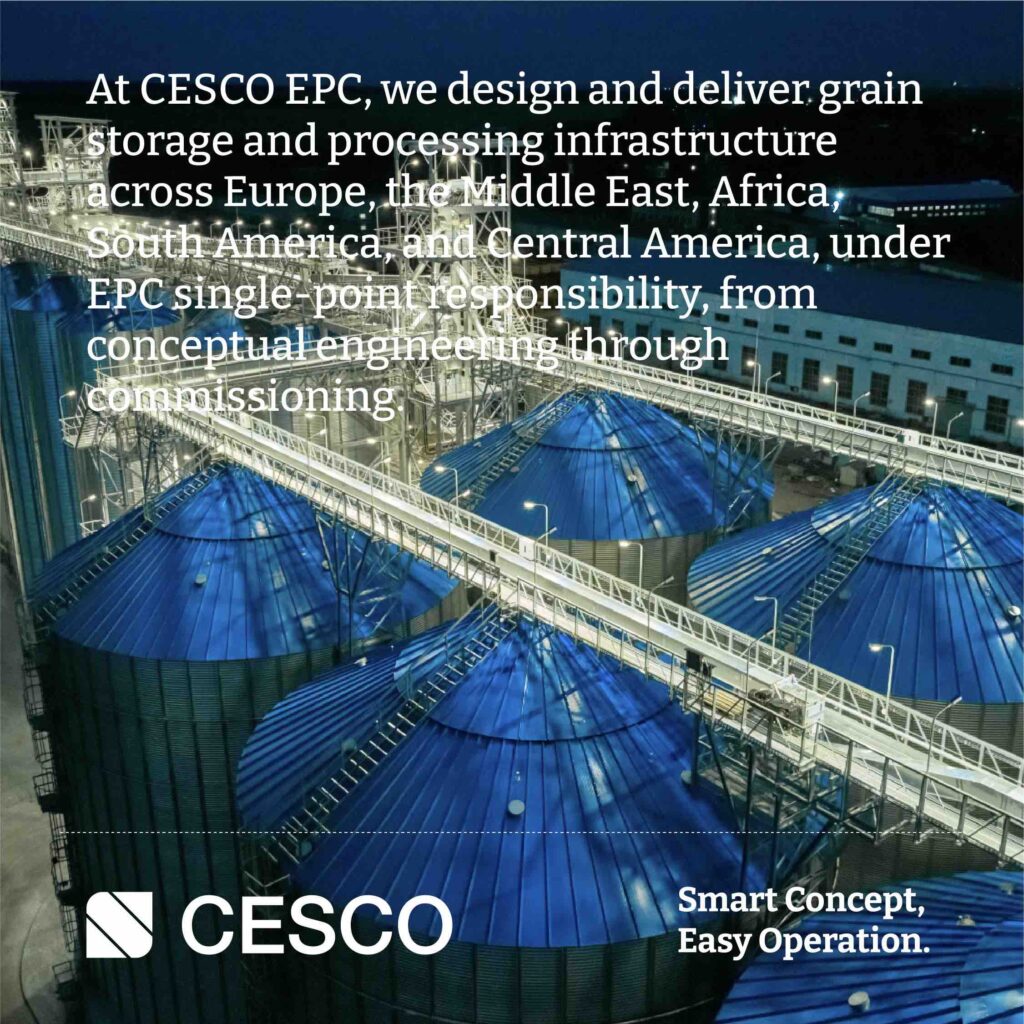
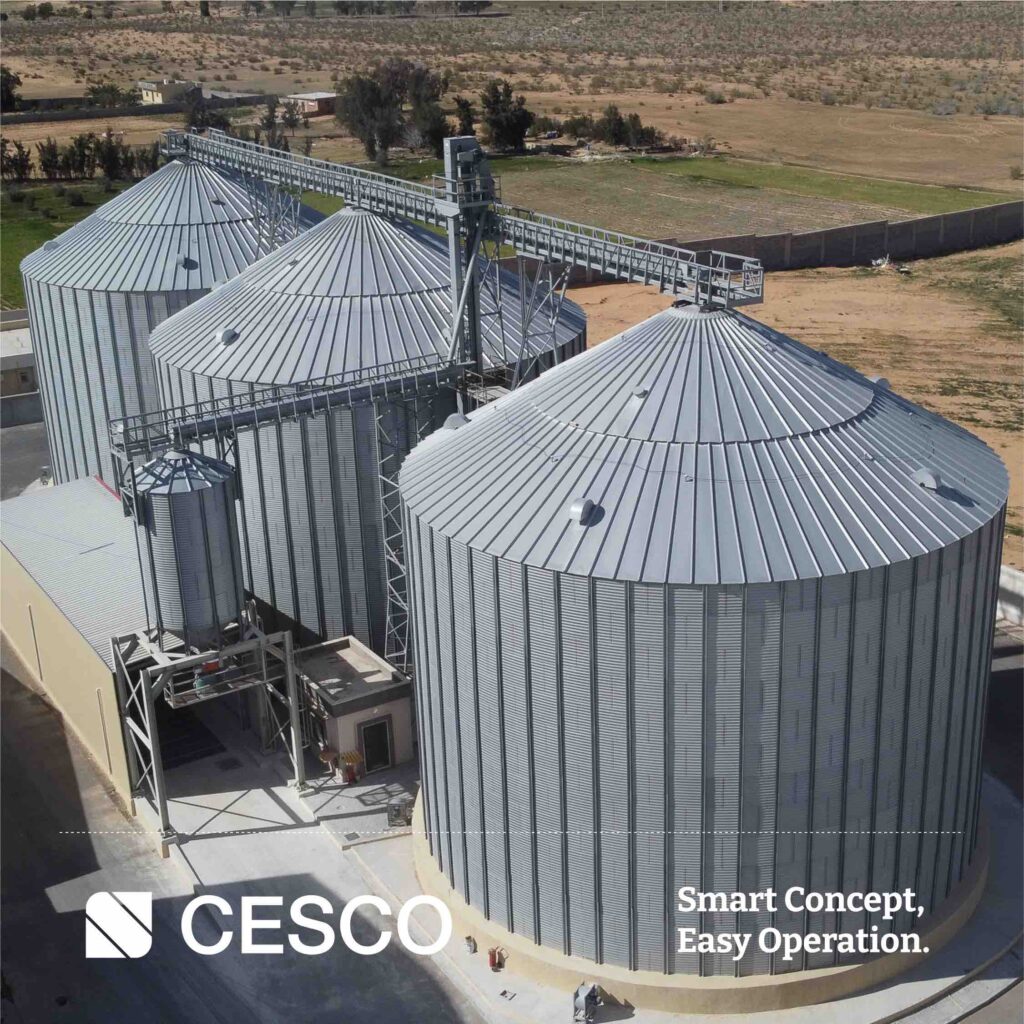
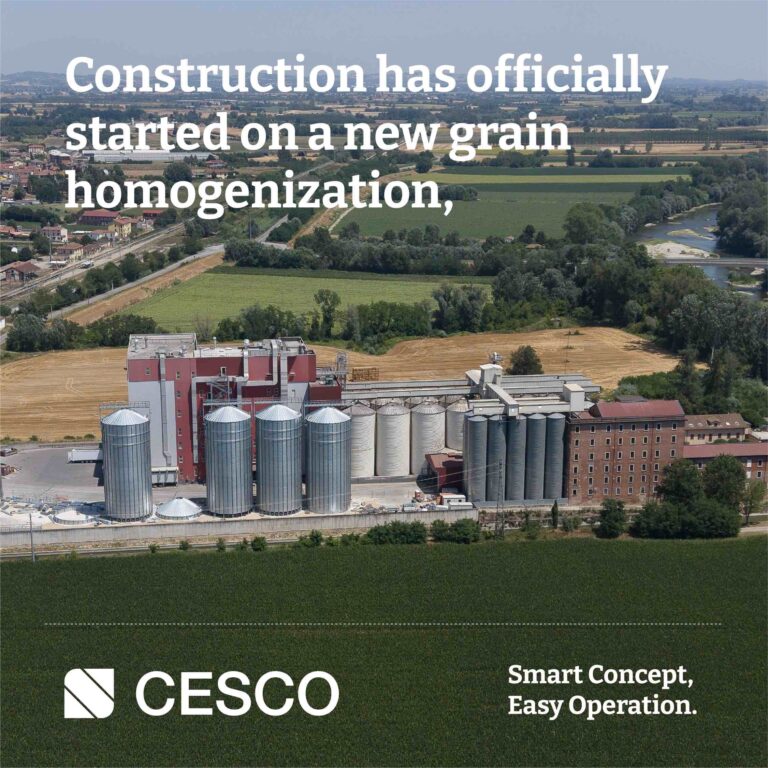
At @[CESCO EPC](urn:li:organization:76517975), we design and deliver grain storage and processing infrastructure across Europe, the Middle East, Africa, South America, and Central America, under EPC single-point responsibility, from conceptual engineering through commissioning.
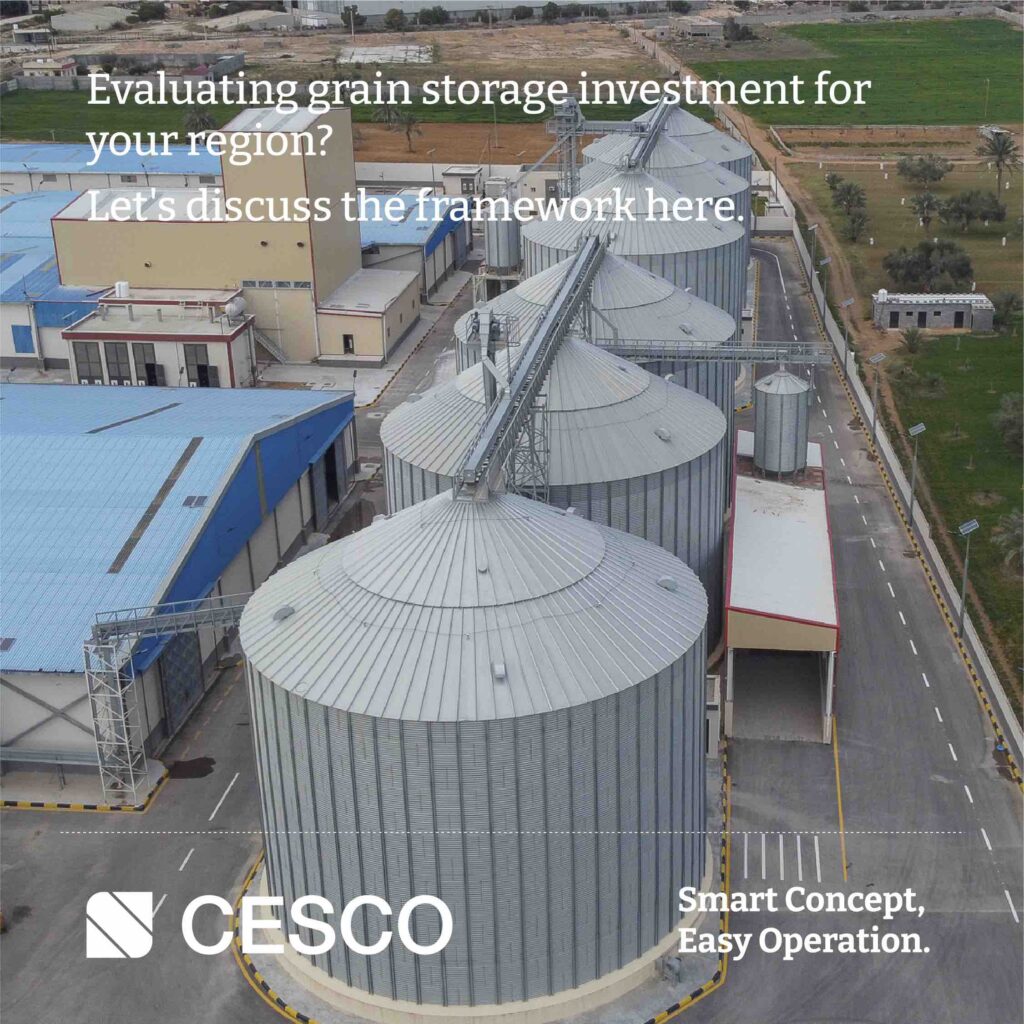
Evaluating grain storage investment for your region? Let’s discuss the project here