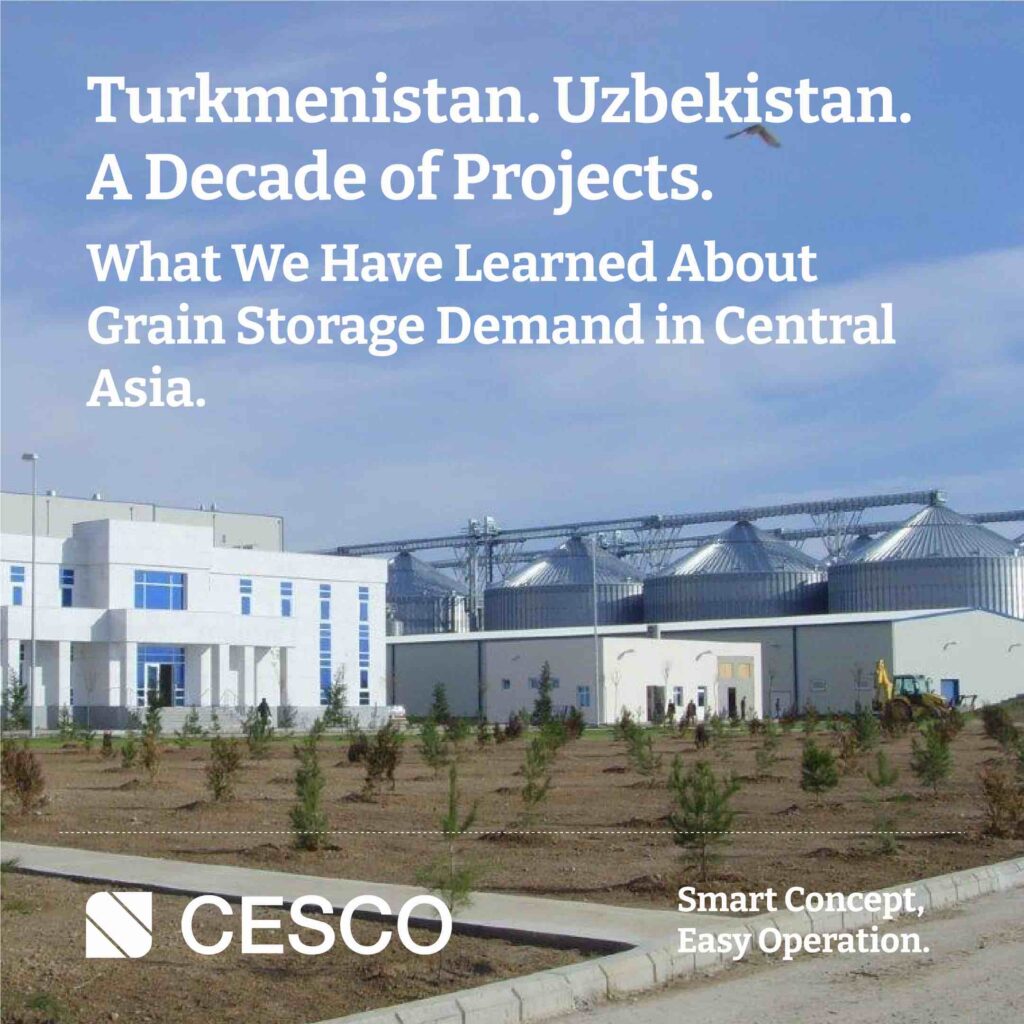
Turkmenistan. Uzbekistan. A Decade of Projects.
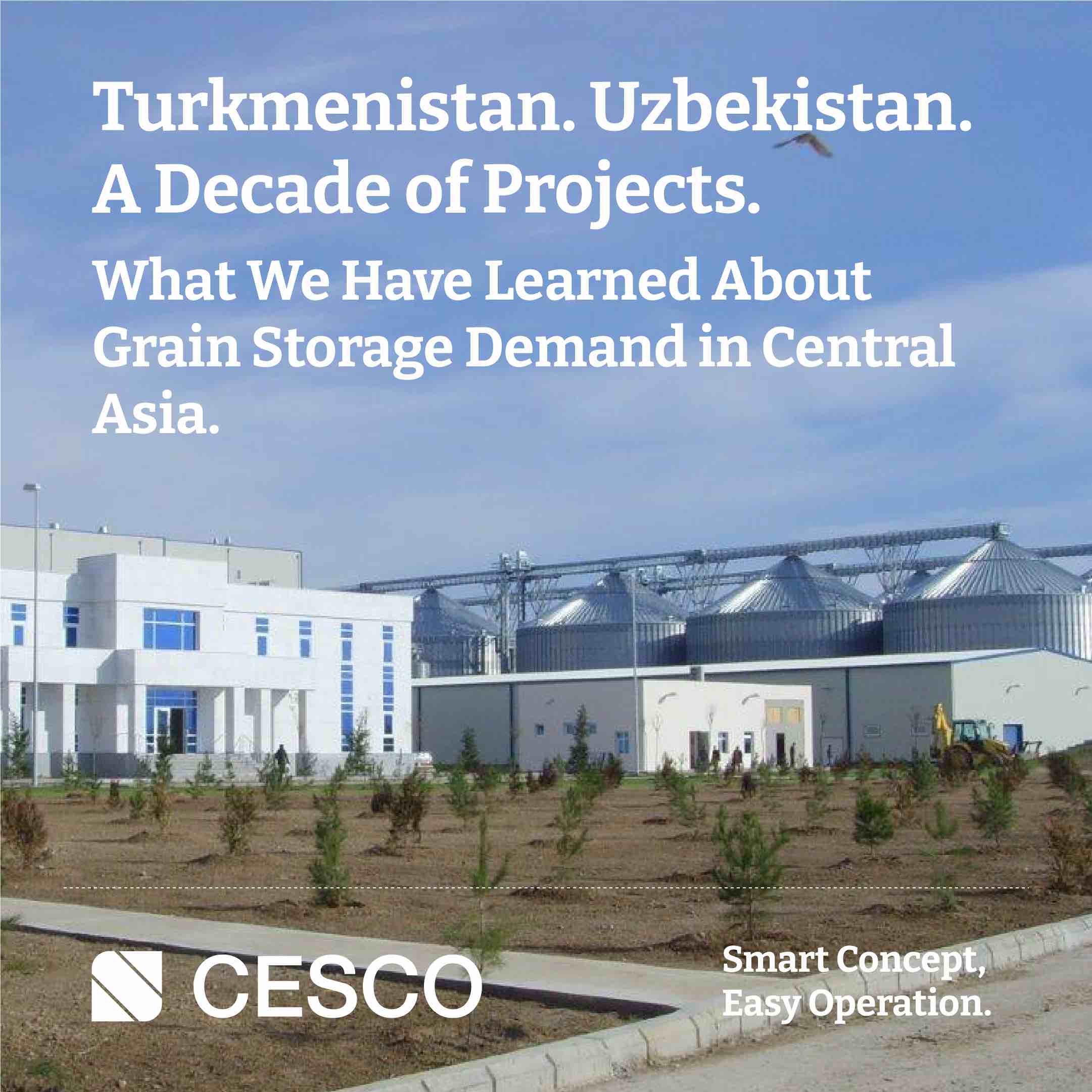
What We Have Learned About Grain Storage Demand in Central Asia
Turkmenistan, Uzbekistan, Kazakhstan, the grain storage and handling infrastructure being built across this corridor over the past decade represents one of the most sustained investment cycles in the sector. The drivers are structural: growing populations, rising domestic grain production, the need to reduce import dependency, and national food security programmes that treat storage capacity as a strategic reserve, not a commodity.
CESCO EPC has been working in this market for over a decade. What that experience has taught us is specific.
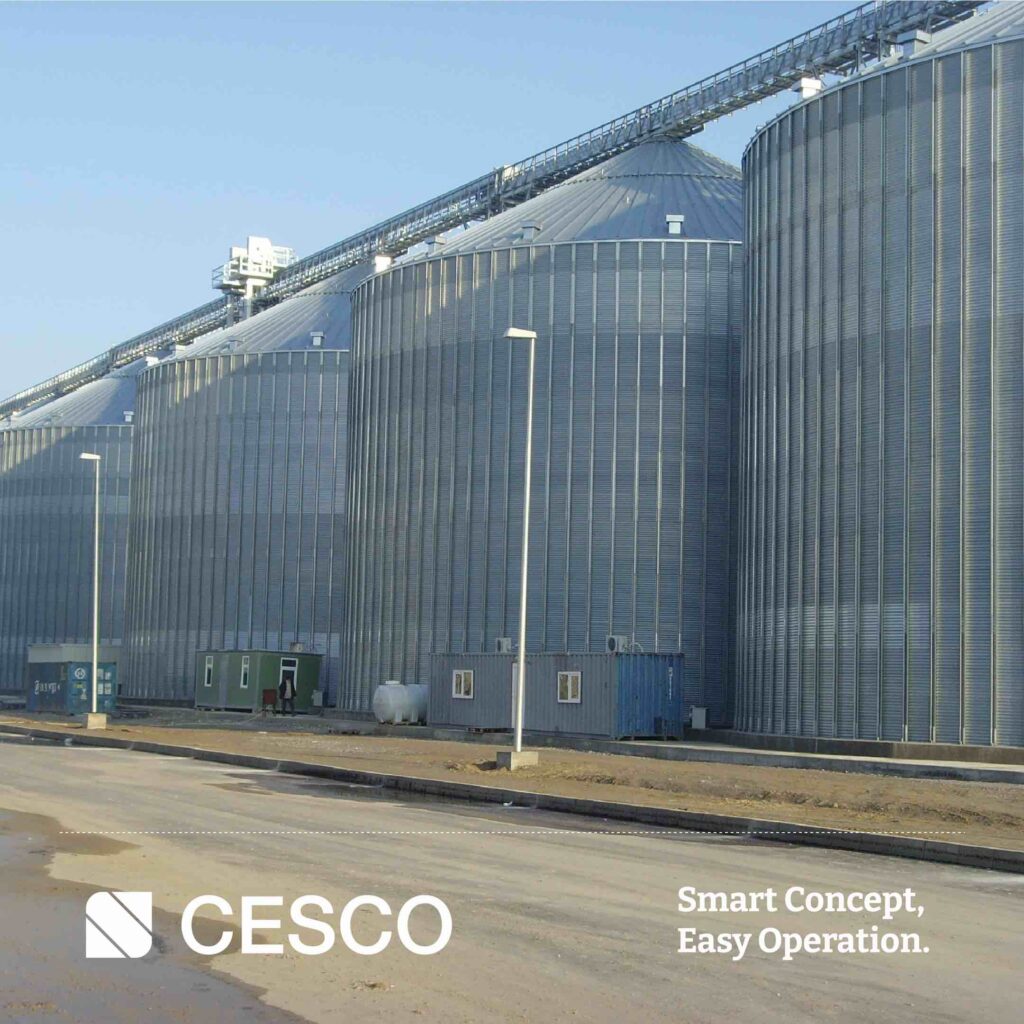
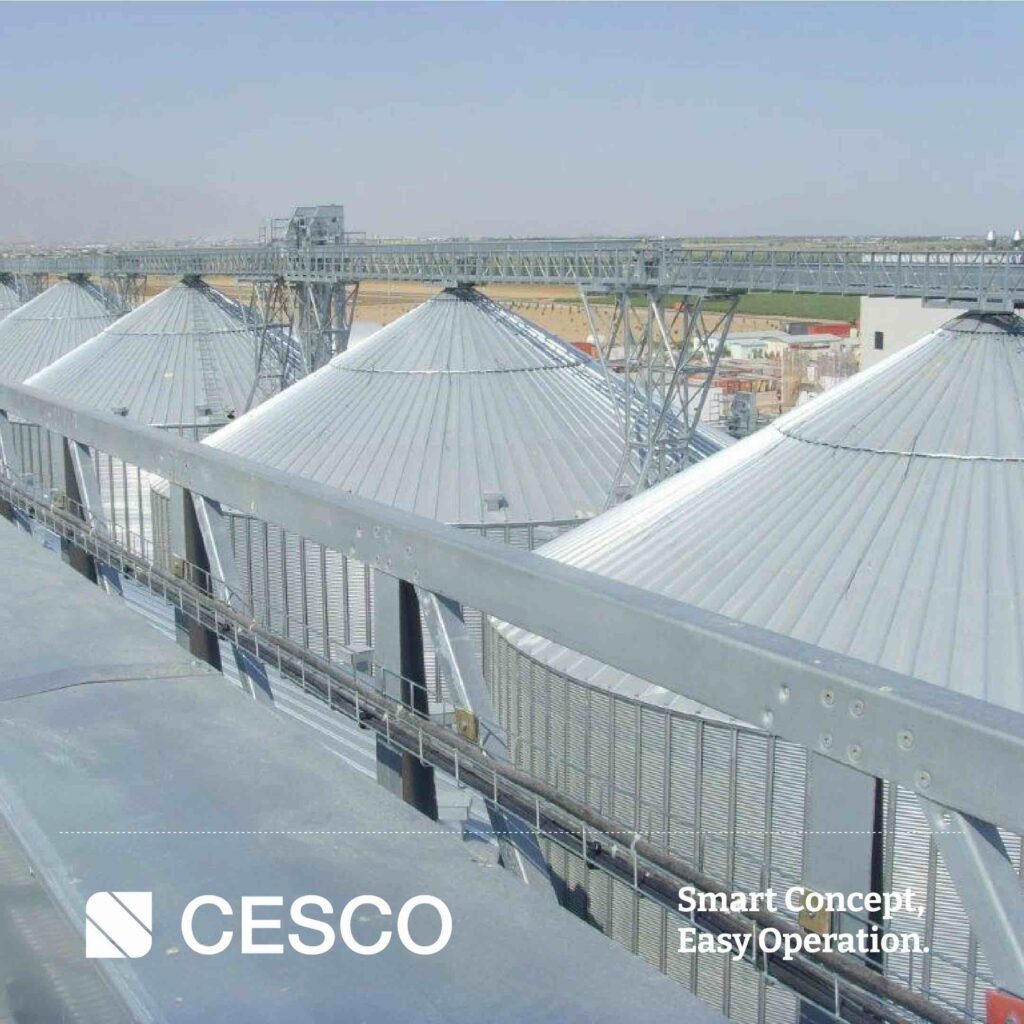
The scale of requirements is large. Inland grain terminals in this region are not 5.000-tonne facilities. Projects regularly specify storage capacities of 30.000 to 100.000 tonnes, with full handling lines: intake, cleaning, drying, elevation, and dispatch, engineered for throughput rates that match regional harvest and logistics conditions.
The engineering environment is demanding. Remote sites, constrained logistics corridors, and local regulatory frameworks require precise procurement planning and construction sequences that cannot rely on just-in-time supply chains. Erection must proceed without delays.
European quality standards are the benchmark. Clients in Turkmenistan and Uzbekistan specify Eurocode-compliant structural design and Z600-finished steel as baseline requirements.
CESCO EPC] designs and delivers turnkey grain handling plants in this market because the project complexity requires end-to-end EPC capability. Structural design, manufacturing, procurement coordination, and on-site commissioning, managed from a single point of responsibility.
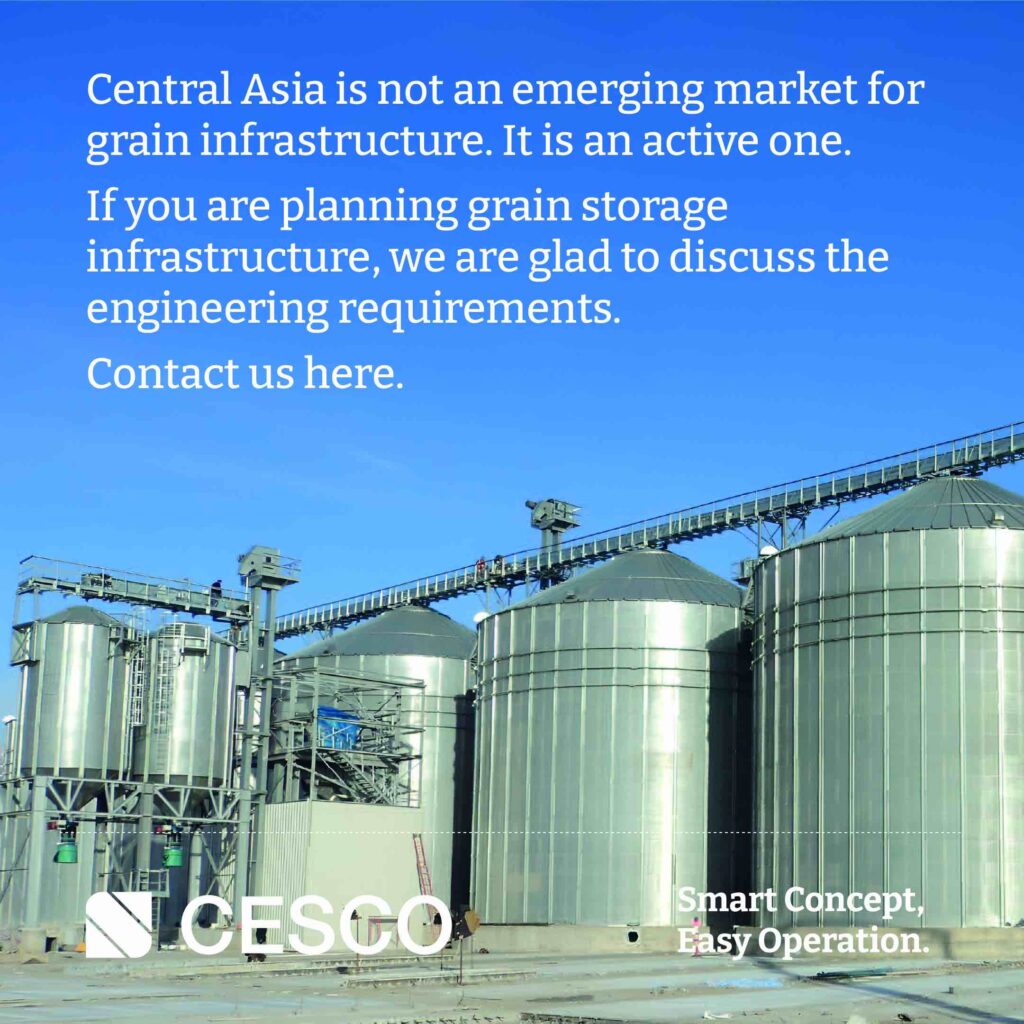
If you are planning grain storage infrastructure, we are glad to discuss the engineering requirements. Contact us here