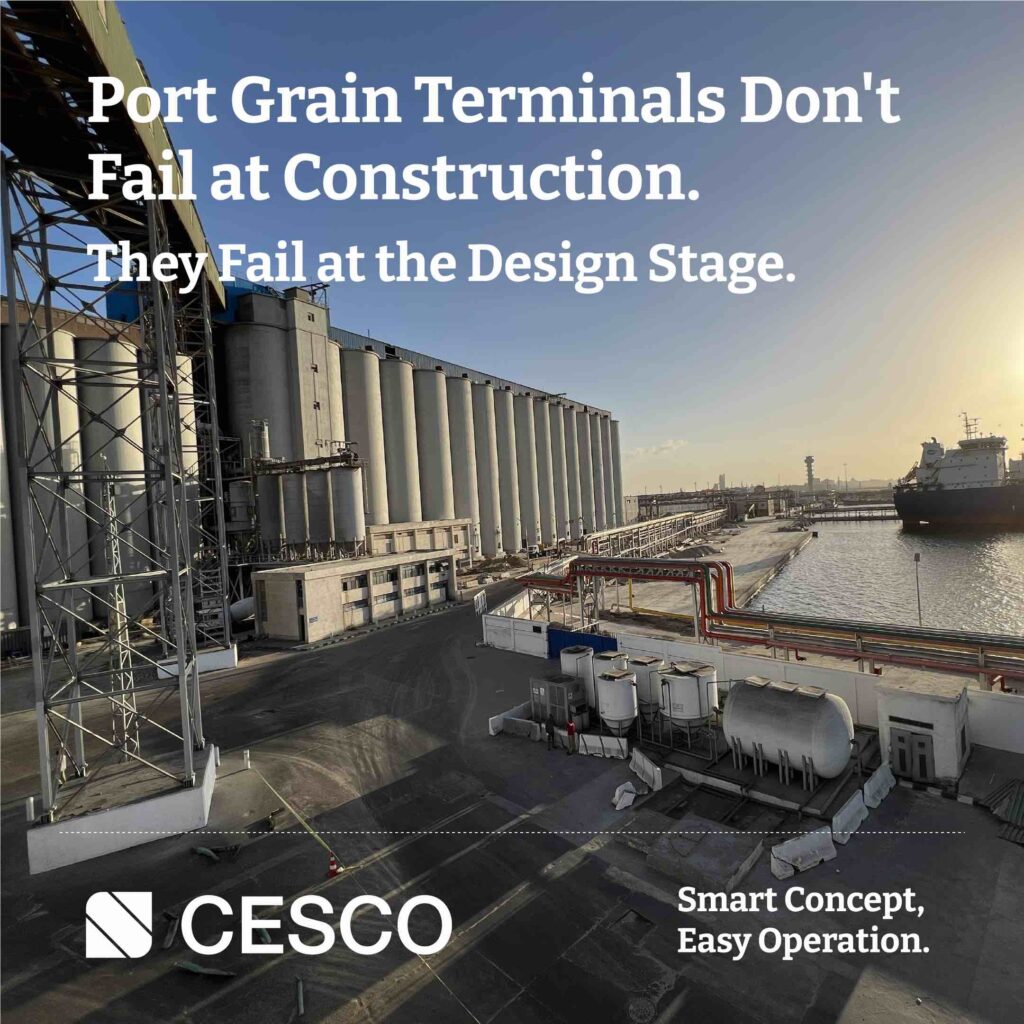
Port Grain Terminals Don’t Fail at Construction They Fail at the Design Stage.
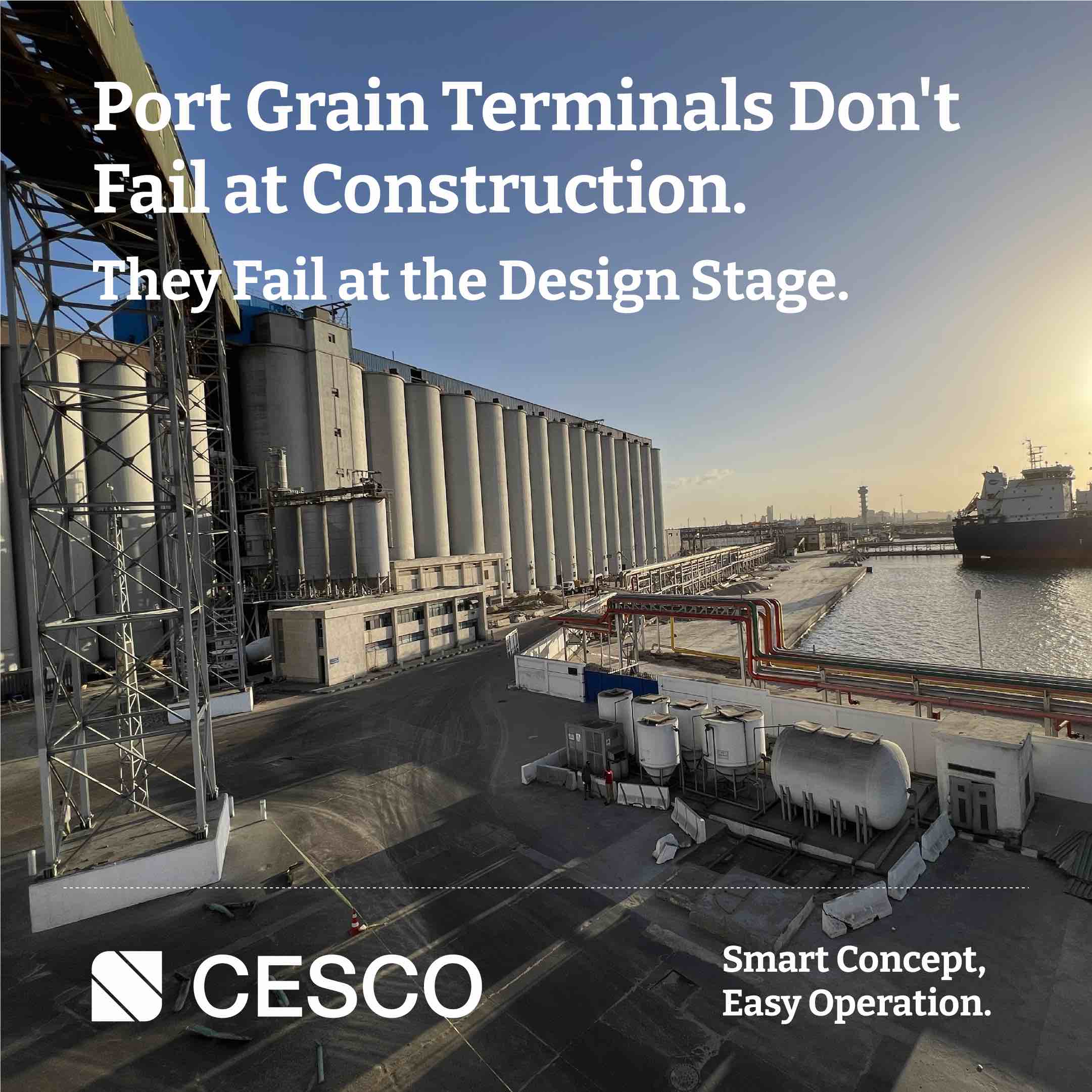
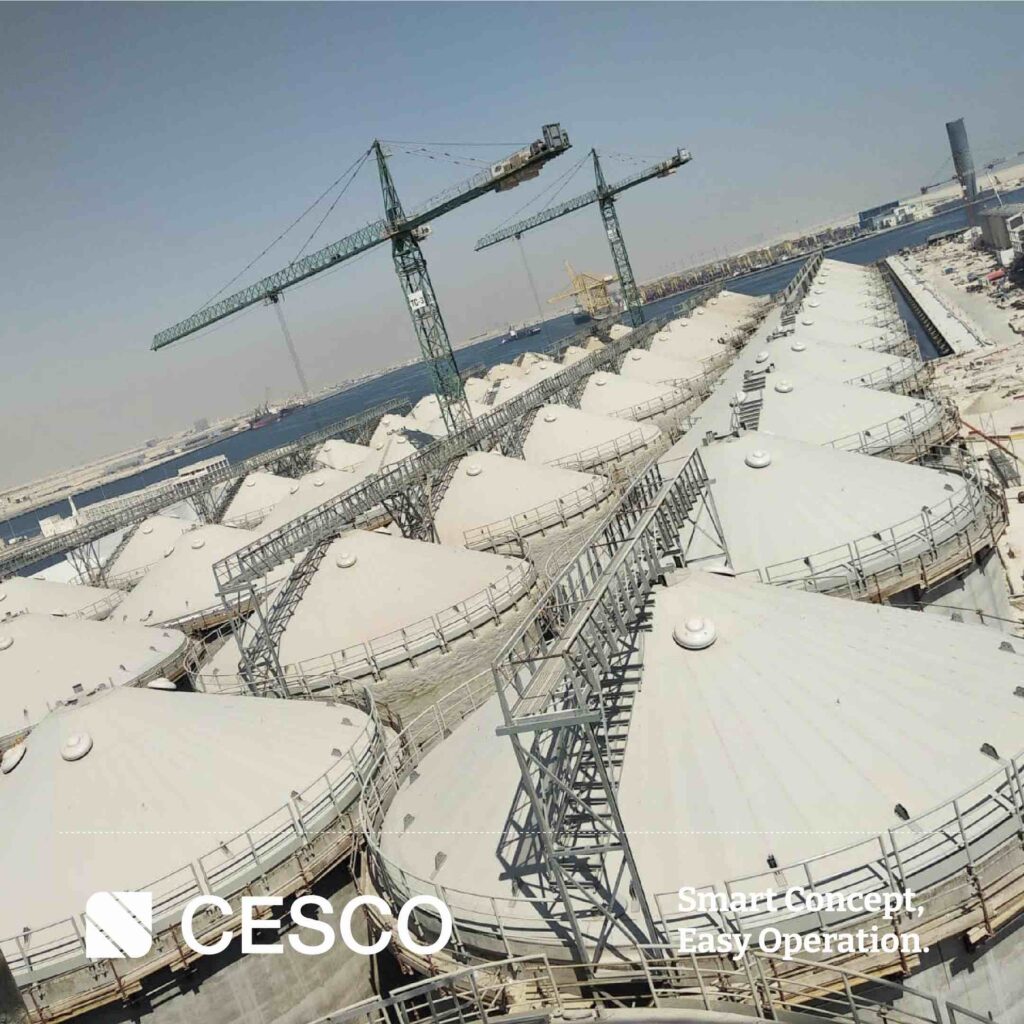
A port grain terminal is not a collection of silos and conveyors.
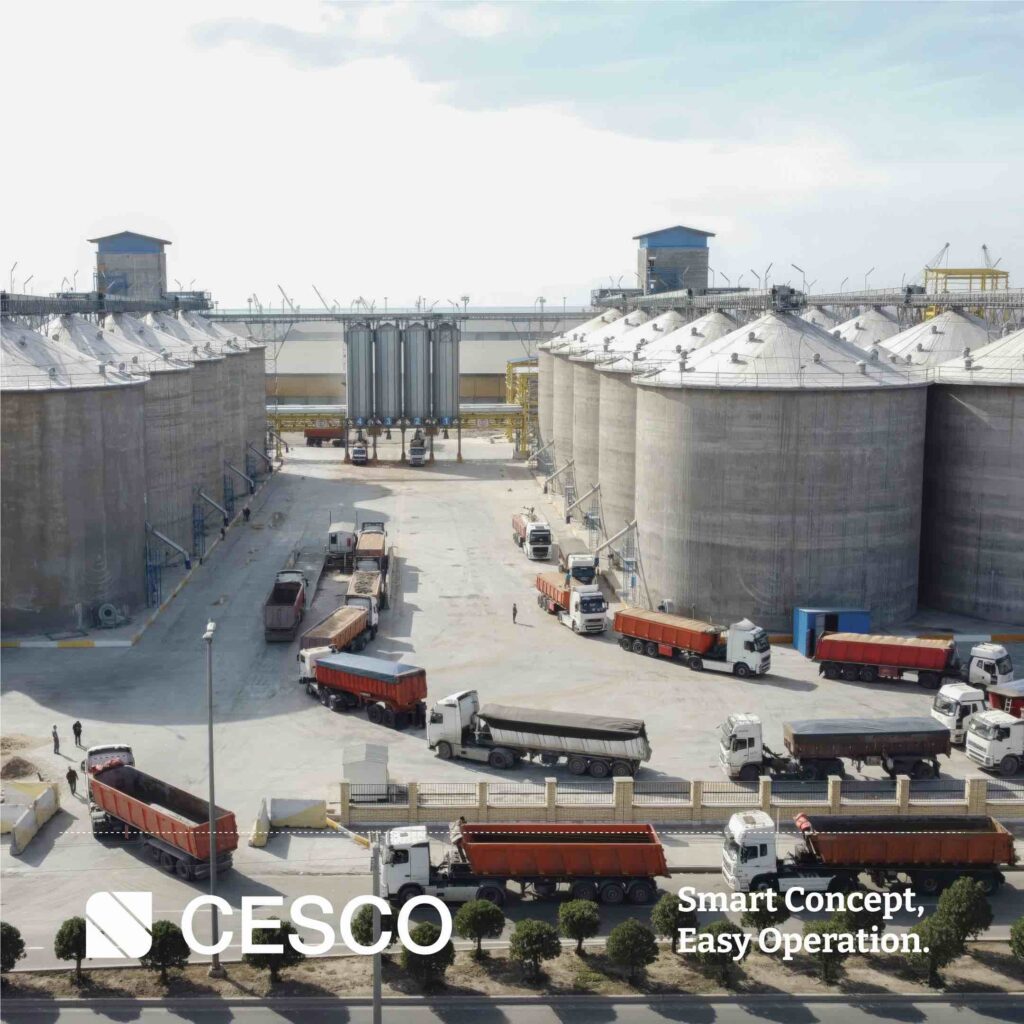
It’s an infrastructure node: one that connects vessels, trucks, rail, and storage into a single operating system that must perform under port conditions, seasonal grain volumes, and long-term maintenance realities.
Before we put a layout on paper, we verify five things.
1️⃣ Ship unloading rate vs. terminal capacity
The ship doesn’t wait. If the unloading chain, grab cranes, hoppers, elevators, is undersized relative to the vessel’s discharge rate, you create bottlenecks that cost money per hour.
2️⃣ Grain varieties and their physical properties
Wheat, corn, barley, sunflower, each has different bulk density, angle of repose, and moisture sensitivity. A terminal designed for one commodity will underperform on another.
3️⃣ Port authority regulations and site constraints
Wind exposure, seismic zone, foundation conditions, crane rail alignment, height restrictions, port sites are technically constrained environments. Eurocode compliance is the baseline; local requirements often add layers.
4️⃣ Throughput peaks and storage rotation
Seasonal grain flows create peak demand that must not compromise storage quality. We model the relationship between unloading rate, storage capacity, and outloading speed to ensure the terminal handles peak season without grain sitting under the wrong conditions.
5️⃣ Maintenance access and operational continuity
A port terminal runs continuously. That means maintenance cannot stop operations. We design platforms, access routes, and equipment layouts so that intervention on any critical component: elevator legs, conveyor drives, aeration fans; can happen without shutting down the full system.
These five checks are not a checklist. They are the structural logic of any terminal that will perform for 30 years.
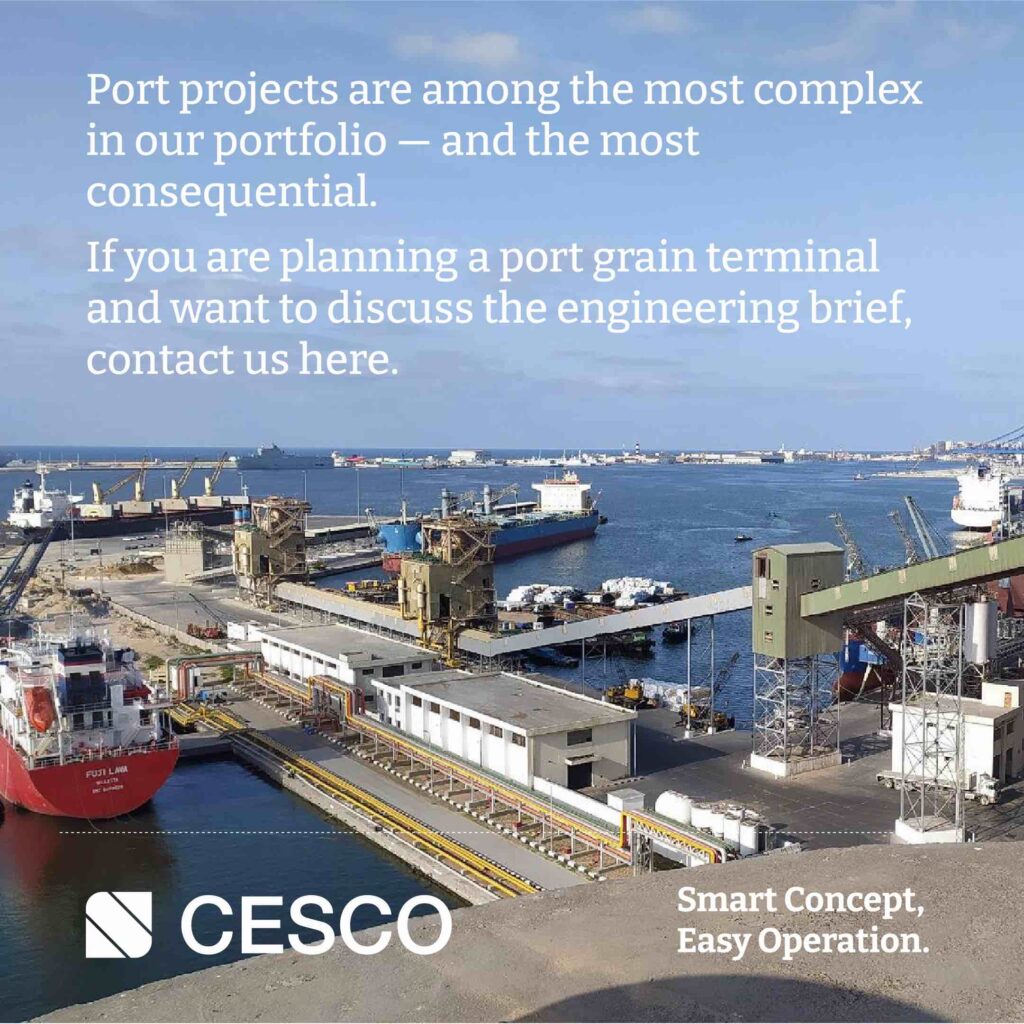
We have delivered 55 projects across 4 continents; port projects are among the most complex in our portfolio, and the most consequential.
If you are planning a port grain terminal and want to discuss the engineering brief, contact us here